The UK Competition and Markets Authority launched proposals on October 20, 2026, to widen iPhone contactless access for competing payment providers and other developers. The regulator wants Apple to offer more technical options and commercially viable access terms, potentially opening the way for alternatives to its wallet services. The measures remain proposals, with consultation closing on November 17, 2026.
Key Takeaways
- The CMA proposes broader technical access and pricing principles, rather than setting Apple's access fees directly.
- The changes could support competing wallets, direct bank payments, digital IDs, travel passes and digital keys.
- No final requirement has been adopted; the CMA will assess consultation responses before making a decision.
Table of Contents
- What the iPhone contactless access proposals would change
- Lower access costs without a regulator-set price
- A consultation, not an immediate change for users
- Conclusion
What the iPhone contactless access proposals would change
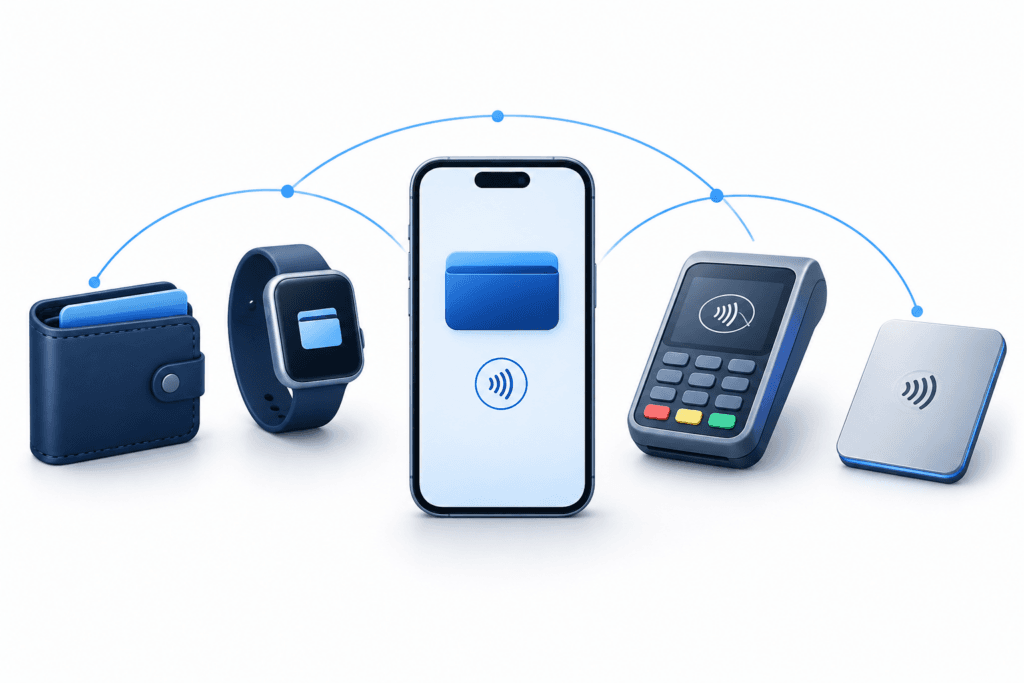
The proposals target near field communication, or NFC, the technology that lets phones interact with contactless payment terminals and other readers. The CMA says effective competition requires both usable technical access and terms that allow developers to build viable businesses.
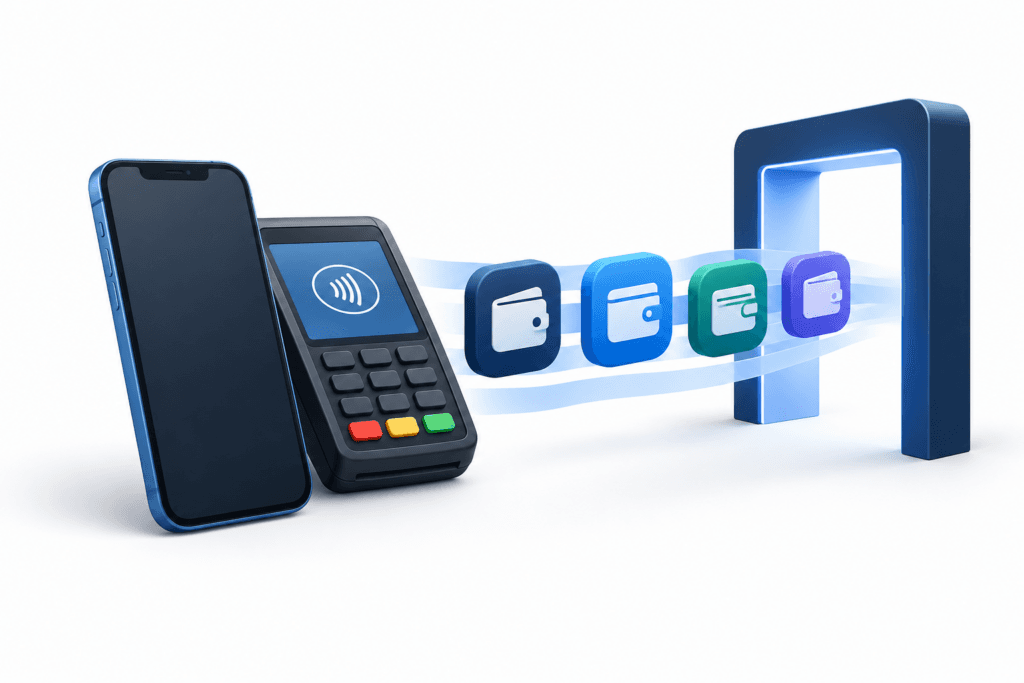
Under the CMA's contactless access proposals, Apple would have to provide access through both main internationally used contactless technology standards. Apple currently offers only the secure element approach in the UK; the proposed requirement would add host-based card emulation as an option.
The distinction matters for businesses seeking to offer services across different markets and mobile platforms. The CMA says access to both standards would support a wider range of uses and allow UK firms to introduce payment services already offered in the European Union.
| Item | Details |
|---|---|
| Consultation opened | October 20, 2026 |
| Response deadline | November 17, 2026 |
| Secure element | Contactless standard that stores information on the device |
| Host-based card emulation | Contactless standard that stores data off the device |
Lower access costs without a regulator-set price
Technical access alone would not resolve the regulator's concerns. The CMA says businesses have raised objections that Apple's fees and other terms may make competing services commercially unviable.
Rather than prescribe a specific price, the regulator proposes principles for determining access charges and terms. It expects these to produce substantially lower fees than Apple currently charges, while still fairly rewarding the company for providing access. That is an intended outcome, not an announced fee reduction.
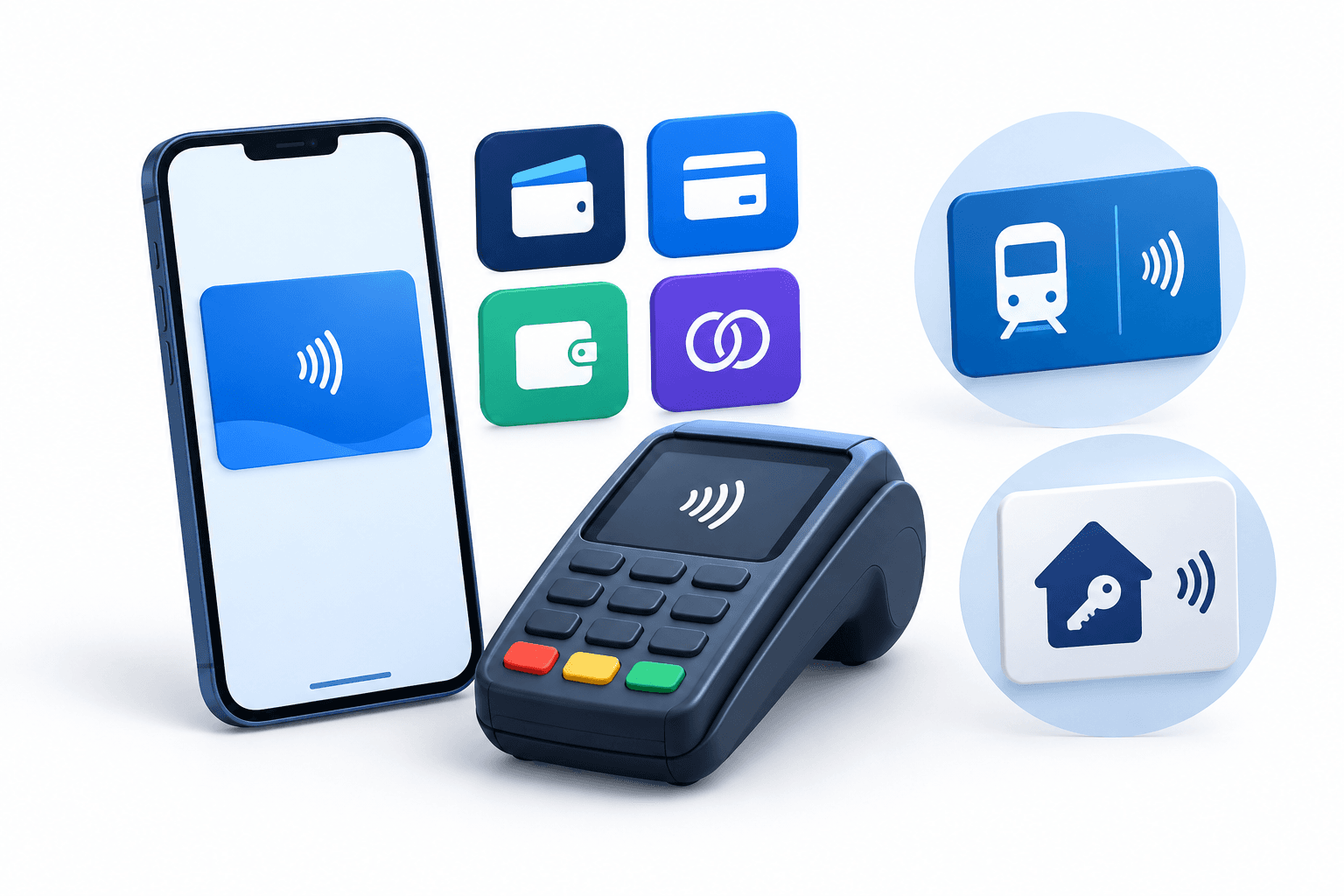
The potential products extend beyond payment wallets. The CMA identifies account-to-account payments, digital identity and age-verification tools, travel tickets, loyalty services and digital keys as possible uses. Broader access would give developers more ways to build these products, but would not guarantee their launch or adoption.
A consultation, not an immediate change for users
The proposal comes under the Digital Markets, Competition and Consumers Act 2024, following Apple's designation as having Strategic Market Status in relation to its mobile platform.
The CMA says no firm has launched a wallet-type product to compete with Apple's in the UK, unlike in the EU, where several alternatives followed Apple's agreement to provide NFC access for payments. That comparison helps explain the regulator's focus on practical access conditions rather than technical availability alone.
For UK iPhone users, the announcement does not establish an immediate new payment option or an implementation date. A final decision will follow the regulator's assessment of responses to the consultation.
Conclusion
The proposals address both the technical and commercial barriers facing rival contactless services on iPhones. The next confirmed milestone is the November 17 consultation deadline, after which the CMA will assess responses before deciding on a final requirement.
Read More News
Disclaimer
This FinanceVelix article provides general information, not personalized financial, investment, legal, or tax advice. Market prices, interest rates and economic conditions can change; investments carry a risk of loss. Facts reflect the material available when published and may change. Check important information independently and consult a qualified professional when needed. Mentioning an asset, company, or service is not an endorsement.