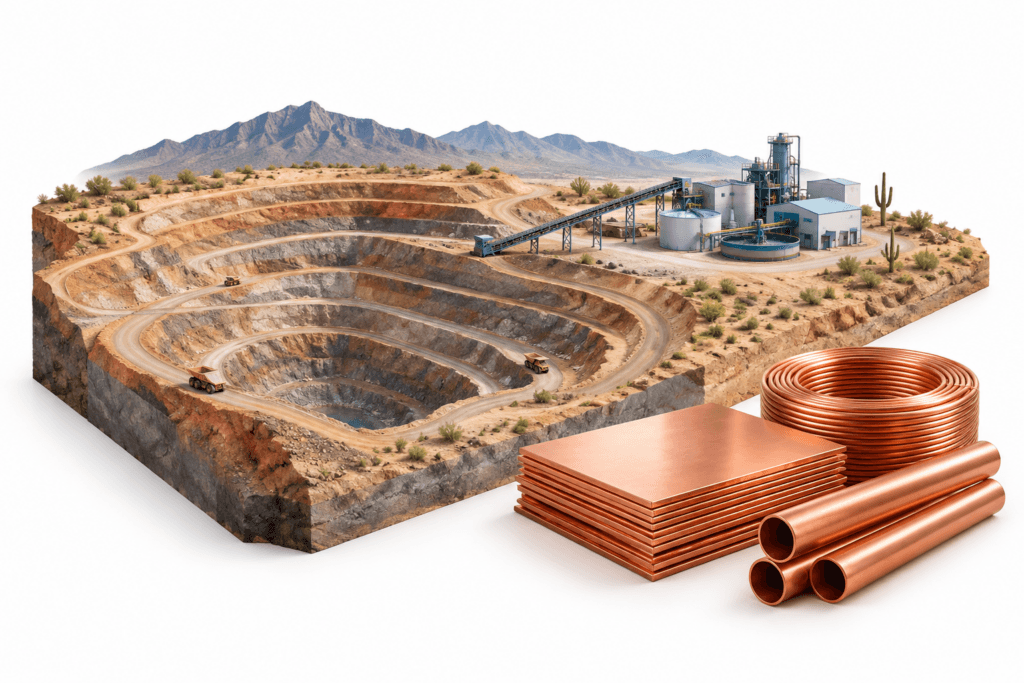
Critical minerals financing is set for a major expansion under a World Bank Group plan announced on October 16, 2026. The institution aims to increase its metals and minerals support fivefold to $19 billion over fiscal 2026–2030, combining its own financing with private capital mobilization.
Key Takeaways
- The $19 billion goal includes private capital mobilization, not just World Bank Group funding.
- Eight countries launched partnerships or compacts covering investment, infrastructure and sector reforms.
- The plans seek to retain more jobs and economic value through local suppliers, skills and processing.
Table of Contents
- Critical minerals financing combines public and private capital
- Eight country plans focus on local economic benefits
- Conclusion
Critical minerals financing combines public and private capital
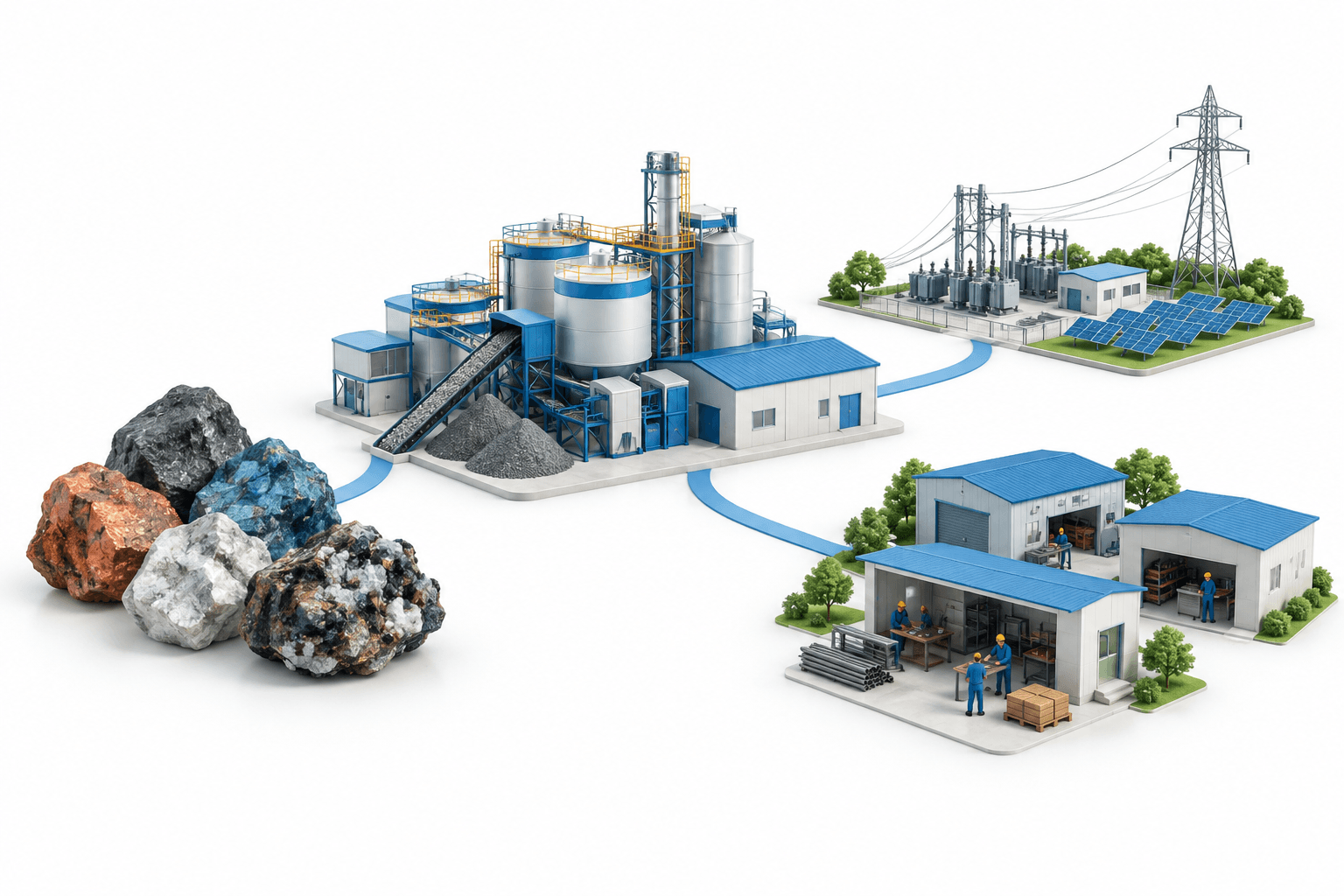
The World Bank Group’s metals and minerals financing plan assigns different roles across its institutions. The World Bank will provide policy advice and public financing, the International Finance Corporation will invest and mobilize private capital, and the Multilateral Investment Guarantee Agency will provide guarantees to manage risk.
That structure matters when interpreting the headline target: $19 billion is the planned scale of combined support over five fiscal years, rather than an amount already disbursed or a commitment funded entirely from the institution’s own resources.
The financing tools are intended to support reforms, infrastructure, workforce skills and local supply chains. The announcement therefore extends beyond funding extraction projects to address the conditions needed to attract responsible investment.
| Item | Details |
|---|---|
| Egypt | Targets a 6% minerals contribution to GDP by 2030 and $9.8 billion in metals and minerals-related exports by 2040. |
| India | Seeks to mobilize $5 billion in capital through 2031 for critical-mineral value chains. |
| Kazakhstan | Aims to mobilize up to $20 billion by 2031 through reforms and investment in processing and skills. |
| Zambia | Targets annual copper production of three million metric tonnes by 2031 under its Grow Zambia Agenda. |
Eight country plans focus on local economic benefits
Argentina, Bolivia, Egypt, India, Kazakhstan, Malawi, Mauritania and Zambia announced country-led partnerships or compacts. Their plans establish priorities, commitments and measurable targets for developing metals and minerals industries.
Shared priorities include modernizing mineral licensing and geological data, strengthening environmental and social oversight, expanding electricity and transport infrastructure, and developing local workers and suppliers. The practical aim is to connect mineral development more closely with domestic employment and business activity.
The approaches differ by country. Argentina is prioritizing copper and lithium development alongside stronger institutions and coordination among provinces. Bolivia is focusing on its legal framework, governance and transport logistics. Malawi emphasizes licensing and revenue transparency, while Mauritania’s compact links mineral development with renewable energy potential.
Some national ambitions extend beyond the World Bank Group’s FY2030 financing horizon. Those country-level targets are separate objectives, not allocations from the $19 billion support plan.
Conclusion
The next phase is implementation of the announced country plans: advancing reforms, infrastructure and investment toward their stated targets. The $19 billion remains a financing ambition for FY2026–FY2030, while national production and capital-mobilization goals have their own timelines.
Read More News
Disclaimer
This FinanceVelix article provides general information, not personalized financial, investment, legal, or tax advice. Market prices, interest rates and economic conditions can change; investments carry a risk of loss. Facts reflect the material available when published and may change. Check important information independently and consult a qualified professional when needed. Mentioning an asset, company, or service is not an endorsement.