Solana Alpenglow is scheduled to activate on Wednesday, October 21, 2026, replacing the network’s on-chain validator voting system with a design targeting roughly 150-millisecond transaction finality. The upgrade would also cut validators’ voting-related costs by about 60%. Its launch follows a test campaign that included a network-wide migration failure and rollback, followed by a successful migration; the reported speed remains a target rather than a confirmed mainnet result.
Key Takeaways
- Alpenglow targets finality of about 150 milliseconds, down from roughly six seconds, by moving validator voting off-chain.
- Validator vote fees would be replaced by an admission charge of 0.8 SOL per epoch, reducing that expense by roughly 60%.
- Testing included six network restarts and a failed migration before a later successful attempt cleared the way for the scheduled activation.
Table of Contents
- When is Solana Alpenglow scheduled to activate?
- What changes when validator voting moves off-chain?
- Why transaction counts could fall without trading falling
- How much would validator costs change?
- Why the savings matter for a shrinking validator network
When is Solana Alpenglow scheduled to activate?
The switch is scheduled for the start of epoch 1064 on Wednesday, with the actual change taking place at slot 459,653,000 after a 5,000-slot transition. Activation remains planned, and mainnet performance has not been verified.
The test network was wiped and restarted from scratch six times after launching in early May. Galaxy Digital was among roughly 100 validator operators participating in that network.
One migration attempt failed across the test network and required a rollback. A later attempt succeeded. These failures happened on a testing network rather than the live network.
| Item | Details |
|---|---|
| Transaction finality | Roughly six seconds currently; about 150 milliseconds targeted under Alpenglow. |
| Validator voting | Votes currently appear on-chain; Alpenglow moves voting off-chain and bundles votes into certificates. |
| Voting-related expense | About 2 SOL per day currently; a planned admission ticket of 0.8 SOL per epoch, lasting about 24 hours. |
| Activation schedule | Scheduled for epoch 1064, with the change at slot 459,653,000 after a 5,000-slot transition. |
| Migration testing | A network-wide test migration failed and was rolled back; a later migration succeeded. |
What changes when validator voting moves off-chain?
Alpenglow replaces the voting system Solana has used since 2020. Under the existing approach, validators—the computers that process transactions and agree on their validity—record their votes directly on the blockchain. A transaction reaches finality after enough votes accumulate, a process that currently takes roughly six seconds.
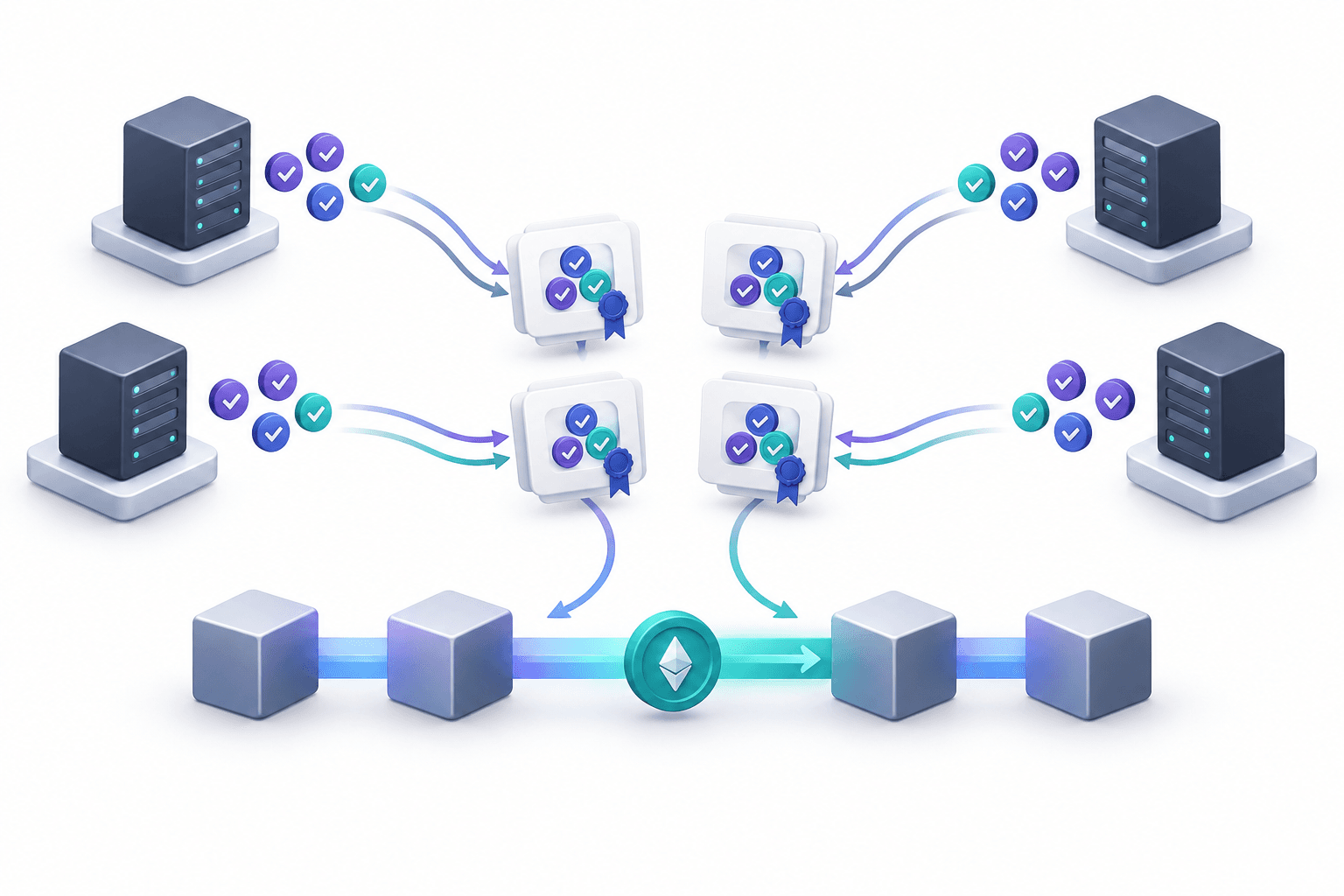
The new design moves those votes off-chain and combines them into certificates that can finalize a transaction in one or two rounds. The intended result is about 150 milliseconds to finality, or roughly 40 times faster than the current process.
Finality is the point at which a transaction becomes irreversible. That makes the target relevant to exchanges and payment applications that wait before treating a deposit or payment as settled. The important distinction is between the upgrade’s design goal and what it ultimately delivers under mainnet conditions.
Why transaction counts could fall without trading falling
Robin Nordnes, founder and chief executive of Solana trading-infrastructure company Raiku, said much of the activity previously counted consisted of validator votes. Removing those votes from the blockchain would lower the transaction count without necessarily indicating less trading.
Nordnes distinguished settlement speed from trading access, saying proximity to where blocks are built remains a bottleneck for trading desks.
How much would validator costs change?
Validators currently spend about 2 SOL a day on vote fees. Alpenglow would eliminate those fees and introduce a flat validator admission ticket costing 0.8 SOL per epoch, which lasts about 24 hours, reducing voting-related expenses by roughly 60%.
The change matters because voting is an ongoing operating expense, not merely a launch cost. Replacing repeated vote fees with a flat admission charge would reduce that particular burden for participating validators. It would not eliminate hardware, bandwidth or hosting expenses.
Why the savings matter for a shrinking validator network
Active validators numbered 659 at the end of September, down from 696 three months earlier and roughly 30% below the level a year earlier.
The minimum number of validators collectively controlling more than a third of staked SOL fell to 18 from 20 over the past year. The ten largest validators increased their share to 24.5% from 22.2%.
Those changes occurred even as 69% of SOL’s supply was staked.
Read More News
Disclaimer
This FinanceVelix article provides general information, not personalized financial, investment, legal, or tax advice. Market prices, interest rates and economic conditions can change; investments carry a risk of loss. Facts reflect the material available when published and may change. Check important information independently and consult a qualified professional when needed. Mentioning an asset, company, or service is not an endorsement.