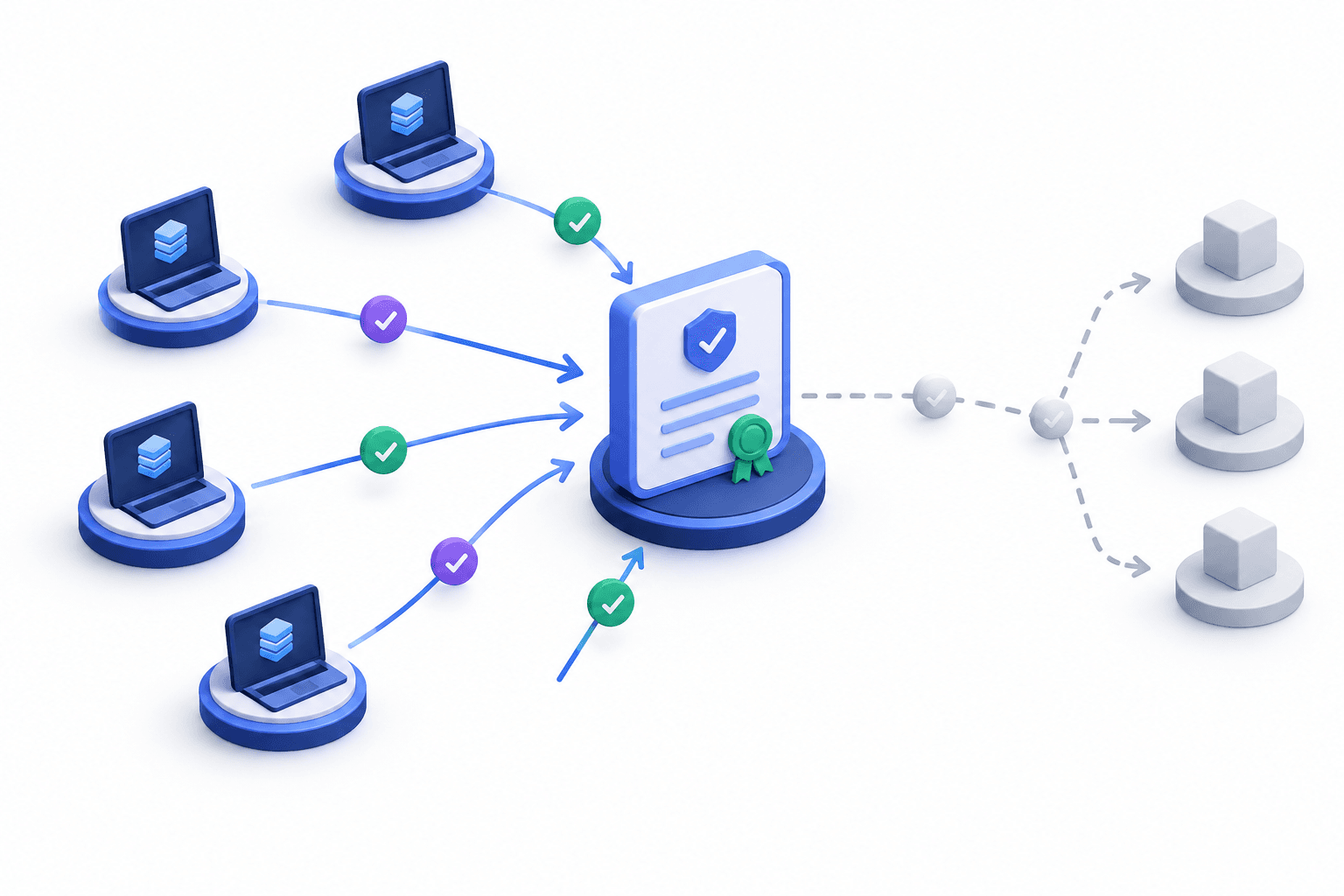
Solana Alpenglow went live on mainnet on Wednesday, October twenty-first, marking the network’s first major consensus upgrade. Its initial phase is now live, replacing the existing voting and finalization mechanism with direct validator voting and a certificate-based system.
Key Takeaways
- Alpenglow has activated on Solana mainnet, moving the upgrade from a planned deployment to a live protocol change.
- The initial phase, Votor, changes how validators vote and finalize transactions.
- Rotor, a separate block data-distribution protocol, remains a later phase of the rollout.
Table of Contents
- What Solana Alpenglow changes at activation
- How fast is finality after the launch?
- What remains on Solana’s upgrade roadmap?
What Solana Alpenglow changes at activation
Alpenglow replaces Solana’s TowerBFT consensus model. Its first phase, Votor, introduces the new voting and certificate-based finalization system, while leaving a separate data-distribution change for a subsequent phase.
Rotor is intended to replace Turbine in a later phase; not every component of Alpenglow has been deployed.
Anza researchers described Alpenglow in May as the biggest change to Solana’s core protocol since genesis. Their assessment concerned the scope of the consensus redesign and its potential responsiveness, rather than a measured result from this mainnet launch.
| Item | Details |
|---|---|
| Votor | Live as Alpenglow’s initial phase, replacing the existing voting and finalization mechanism. |
| Rotor | Planned for a later phase to replace Turbine’s block data-distribution protocol. |
| Slot-time reduction | Fourth stage completed in October; the broader plan aims to halve slot times to 200ms. |
| Agave 4.5 | In development and planned for December 2026; proposes raising versioned-transaction account support from 64 to 96. |
How fast is finality after the launch?
The Solana Foundation’s stated goal is roughly 150 milliseconds of transaction finality, down from about 12.8 seconds—a targeted reduction of 99%. A dashboard reading showed finality of 6.6 seconds and throughput of 4,721 transactions per second, which did not establish that the target had been reached.
For users, the intended benefit is a shorter wait for transactions to become final. If delivered, that could support faster payments, quicker trade settlement and more responsive applications. Anza researchers argued that the proposed latency could make Solana competitive with conventional web infrastructure in responsiveness.
What remains on Solana’s upgrade roadmap?
Alpenglow follows a separate effort to shorten Solana’s slot times, which began in August. The network completed the fourth stage of that plan in October. Slot-time work and the new consensus mechanism are distinct parts of the network’s latency improvements.
Beyond Alpenglow, validators are expected to continue work on Agave. Its proposed expansion of the accounts supported by a versioned transaction could enable better swap routes and execution prices, according to the Solana Foundation. That remains a development proposal, not a benefit already delivered by Wednesday’s activation.
Read More News
Disclaimer
This FinanceVelix article provides general information, not personalized financial, investment, legal, or tax advice. Market prices, interest rates and economic conditions can change; investments carry a risk of loss. Facts reflect the material available when published and may change. Check important information independently and consult a qualified professional when needed. Mentioning an asset, company, or service is not an endorsement.