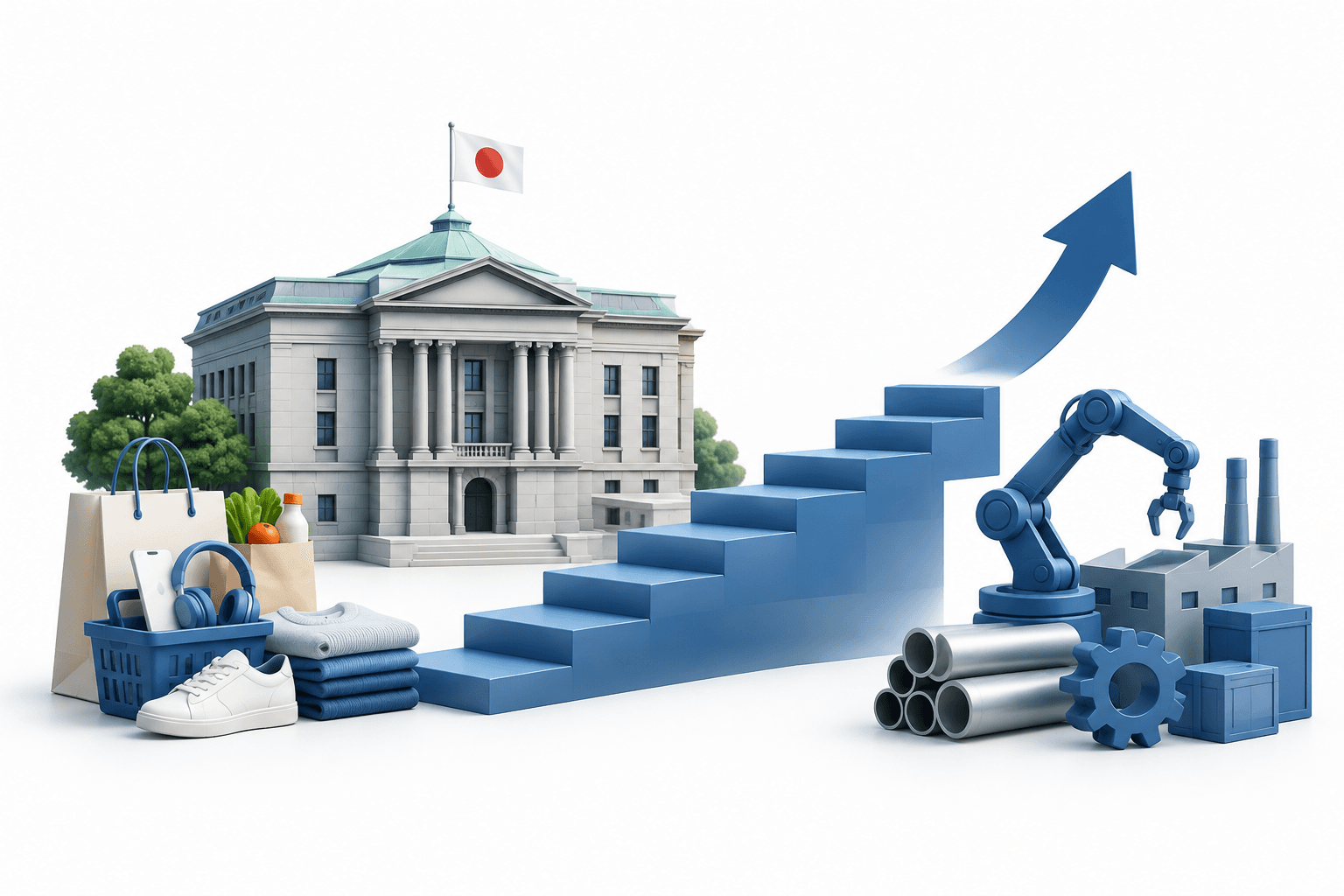
The BOJ rate outlook remained tilted toward further tightening after Deputy Governor Ryozo Himino told parliament on October 21, 2026, that Japan’s underlying inflation was approaching the central bank’s 2% target. He said financial conditions remained accommodative despite September’s interest-rate increase, making the case for additional adjustments without announcing another hike.
Key Takeaways
- Himino said underlying inflation was close to target as medium- and long-term inflation expectations continued to rise.
- Low inflation-adjusted borrowing costs and strong bank lending suggested September’s hike had not removed monetary support.
- His remarks supported further tightening but did not specify the timing or size of another rate increase.
Table of Contents
- BOJ rate outlook rests on sustained inflation
- Borrowing conditions remain loose after September hike
- Fuel costs and AI investment add price pressure
- Conclusion
BOJ rate outlook rests on sustained inflation
Himino said underlying inflation was likely to converge toward levels consistent with the BOJ’s goal as medium- and long-term inflation expectations rose. His assessment concerned the persistence of price pressures, rather than an announcement that the target had already been durably achieved.
The BOJ’s price stability target defines the goal as a 2% year-on-year increase in the consumer price index. Established in January 2013, that framework provides the policy benchmark; Himino’s October remarks described his assessment of Japan’s progress toward it.
| Item | Details |
|---|---|
| Remarks delivered | October 21, 2026, in parliament |
| Speaker | Ryozo Himino, Bank of Japan deputy governor |
| Most recent increase cited | September 2026 |
| Further increase | No timing or size announced in the remarks |
Borrowing conditions remain loose after September hike
Himino pointed to low real borrowing costs and continued strong growth in bank lending as evidence that financial conditions remained loose after the BOJ raised rates in September 2026. In practical terms, a rate increase does not necessarily mean monetary policy has become restrictive if inflation-adjusted financing costs remain low.
He warned that delaying necessary adjustments to monetary support could allow inflation risks to materialize and ultimately damage the economy over the longer term. That warning strengthened the argument for further normalization, but it was not a commitment to a particular policy timetable.
Fuel costs and AI investment add price pressure
Himino identified rising fuel and raw-material costs as sources of higher prices. He also said strong global demand for artificial intelligence was supporting Japanese exports and capital expenditure, adding another source of inflationary pressure.
Those channels matter for different reasons: higher input costs push up business expenses, while export and investment demand support economic activity. The policy question is whether inflation becomes sufficiently sustained to justify less monetary support, rather than whether any single cost increase warrants a rate response.
Conclusion
Himino’s remarks kept further rate increases in view while leaving their timing open. The next BOJ policy decision will show whether the central bank judges inflation and economic conditions strong enough to warrant another adjustment.
Read More News
Disclaimer
This FinanceVelix article provides general information, not personalized financial, investment, legal, or tax advice. Market prices, interest rates and economic conditions can change; investments carry a risk of loss. Facts reflect the material available when published and may change. Check important information independently and consult a qualified professional when needed. Mentioning an asset, company, or service is not an endorsement.