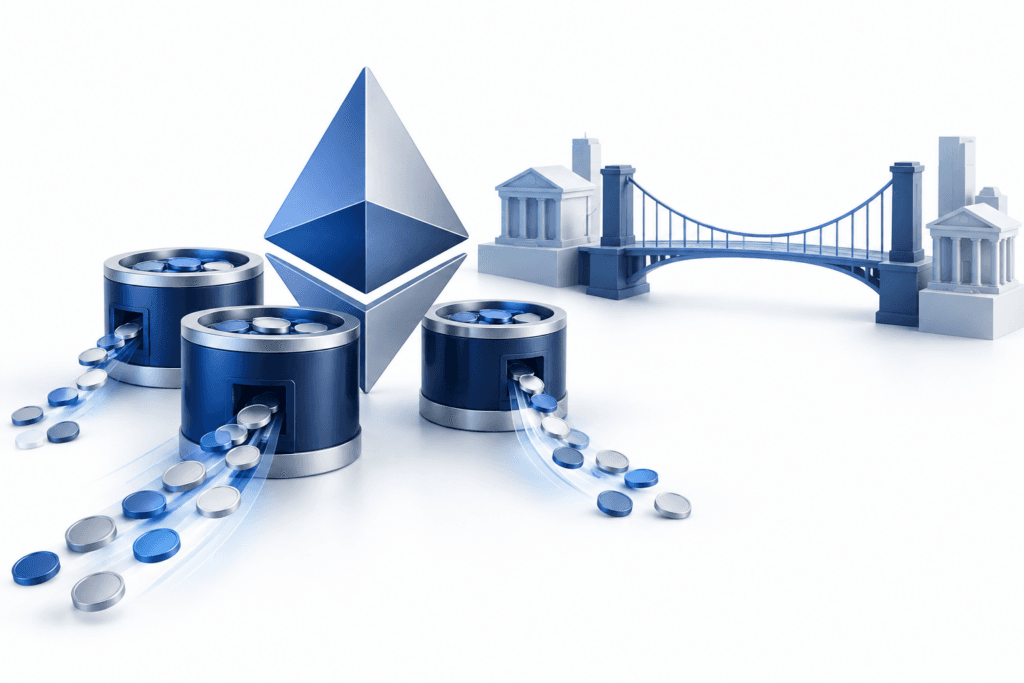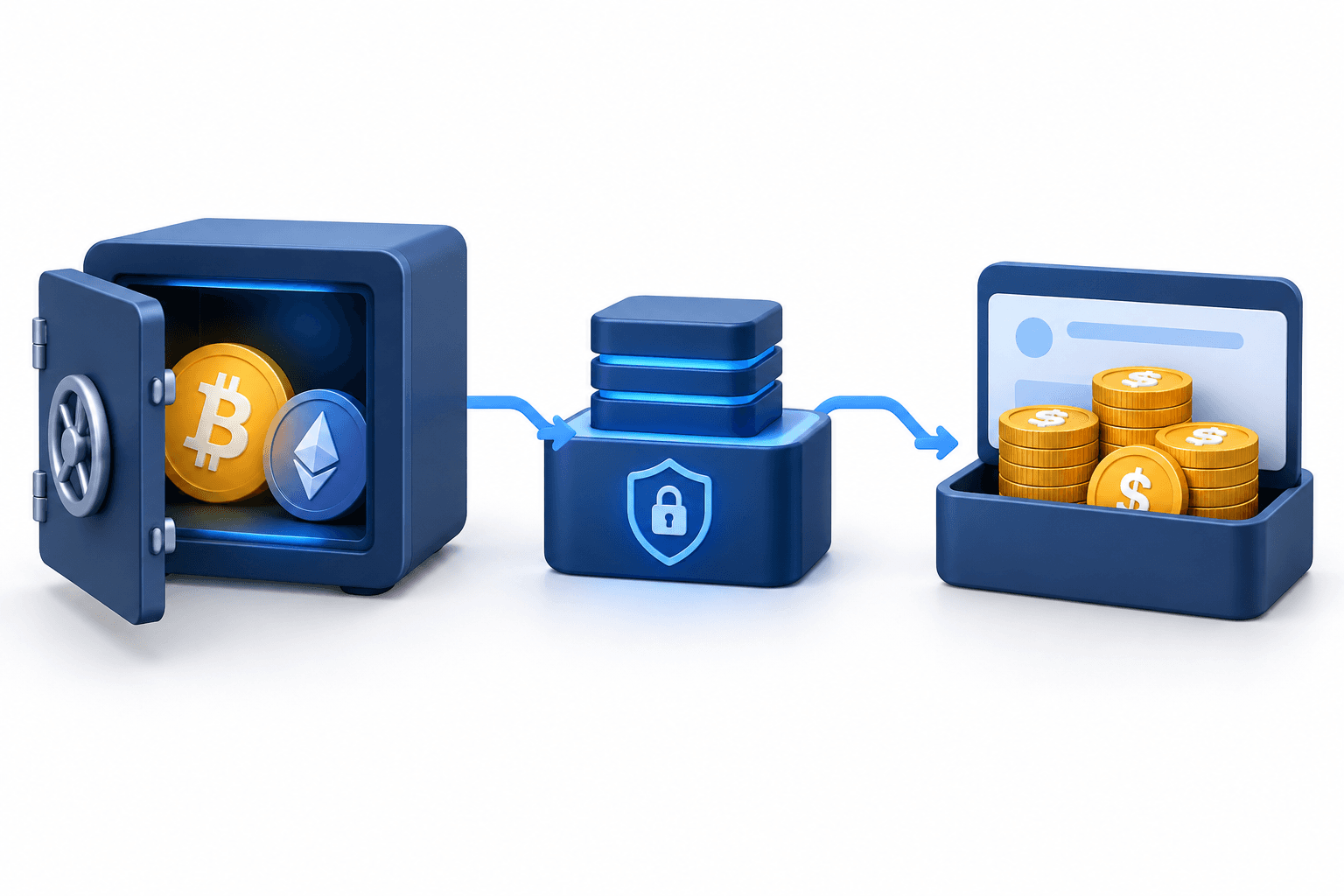
Kalshi Prime and BitGo have launched HODL Margining, allowing eligible customers to borrow US dollars against digital assets held in custody and use the proceeds to fund trading margin. Announced in October 2026, the service separates collateral custody from lending: BitGo Bank & Trust holds the assets, while Kalshi Katalyst, a Kalshi Prime affiliate, provides the loans.
Key Takeaways
- Eligible customers can pledge bitcoin, ether or eligible stablecoins without first selling their holdings.
- Collateral remains at BitGo Bank & Trust; dollar loan proceeds go directly into customers’ Kalshi Prime accounts.
- Interest rates, collateral limits and liquidation procedures were not disclosed in the announcement.
Table of Contents
- How HODL Margining funds trading accounts
- Collateral stays in custody, but remains pledged
- Borrowing adds risks that custody cannot remove
- Commercial terms remain undisclosed
- Conclusion
How HODL Margining funds trading accounts
Under the structure outlined in BitGo’s HODL Margining announcement, eligible customers pledge supported digital assets as collateral for loans from Kalshi Katalyst. The dollars are deposited directly into their Kalshi Prime accounts to meet margin obligations for perpetual futures and other eligible products traded on KalshiEX.
The arrangement offers an alternative to selling crypto or sourcing cash separately. Customers retain exposure to their pledged holdings while obtaining financing for trading, but they also take on a repayment obligation and financing costs.
BitGo Bank & Trust is the network’s first qualified custodian. The network is open to other participating custodians, although no additional participants were named. Eligibility is limited: the announcement does not establish that every customer or every KalshiEX product qualifies.
| Item | Details |
|---|---|
| Collateral custody | BitGo Bank & Trust holds pledged digital assets. |
| Loan provider | Kalshi Katalyst supplies the US dollar financing. |
| Trading account | Kalshi Prime receives loan proceeds in the customer’s account. |
| Trading venue | KalshiEX hosts the eligible products for which margin can be funded. |
Collateral stays in custody, but remains pledged
BitGo says pledged assets remain in segregated client accounts at BitGo Bank & Trust, an OCC-regulated national trust bank, rather than being transferred to the trading venue. Customers retain legal ownership, subject to Kalshi Katalyst’s security interest and the applicable financing terms.
The distinction matters because retaining ownership does not mean the assets are freely available. The lender’s rights over collateral remain part of the loan agreement, even though custody and trading occur at separate entities.
BitGo says its custody infrastructure uses cold storage and carries insurance coverage of up to $250 million, subject to policy terms. That figure should not be interpreted as an individual $250 million policy for each customer or protection against every possible loss.
Borrowing adds risks that custody cannot remove
Qualified custody does not eliminate the market risk of borrowing against volatile assets. If pledged crypto falls in value, the lender may require additional collateral or repayment under the financing agreement. Failure to meet those obligations can lead to enforcement of the security interest and liquidation, subject to the contract.
Customers can therefore remain exposed to falling crypto prices while also owing a dollar loan and maintaining a separate trading position. Keeping collateral away from the venue addresses a custody concern, not the combined risks of leverage and trading.
Kalshi Prime is a CFTC-registered futures commission merchant, with applicable margin, segregation and risk controls governing its customer accounts. The collateral loan is a separate arrangement with Kalshi Katalyst; the FCM’s registration does not mean every part of the financing structure is regulated in the same way.
Commercial terms remain undisclosed
The announcement does not provide interest rates, loan-to-value limits, margin-call thresholds, liquidation procedures or specific treatment of pledged stablecoins. It also gives no expected volumes, eligible-customer count or confirmation of immediate availability to all qualifying customers.
Those details will determine the service’s practical usefulness, particularly when collateral prices fall or trading margin requirements rise. Collateral valuation, withdrawal rights and the ability to substitute pledged assets are also important terms for customers assessing the facility.
Conclusion
HODL Margining connects crypto custody with dollar financing for eligible trading accounts without requiring an initial asset sale. The next details to watch are customer eligibility and the loan agreements governing borrowing costs, collateral requirements and liquidation rights; no timetable for further disclosures was provided.
Read More News
Disclaimer
This FinanceVelix article provides general information, not personalized financial, investment, legal, or tax advice. Market prices, interest rates and economic conditions can change; investments carry a risk of loss. Facts reflect the material available when published and may change. Check important information independently and consult a qualified professional when needed. Mentioning an asset, company, or service is not an endorsement.