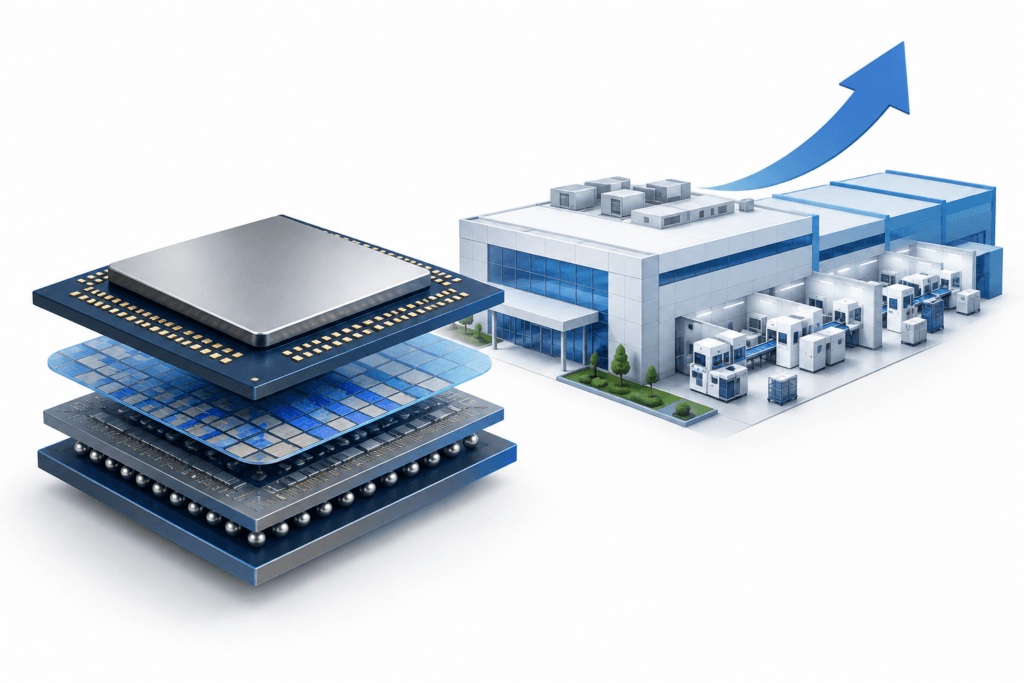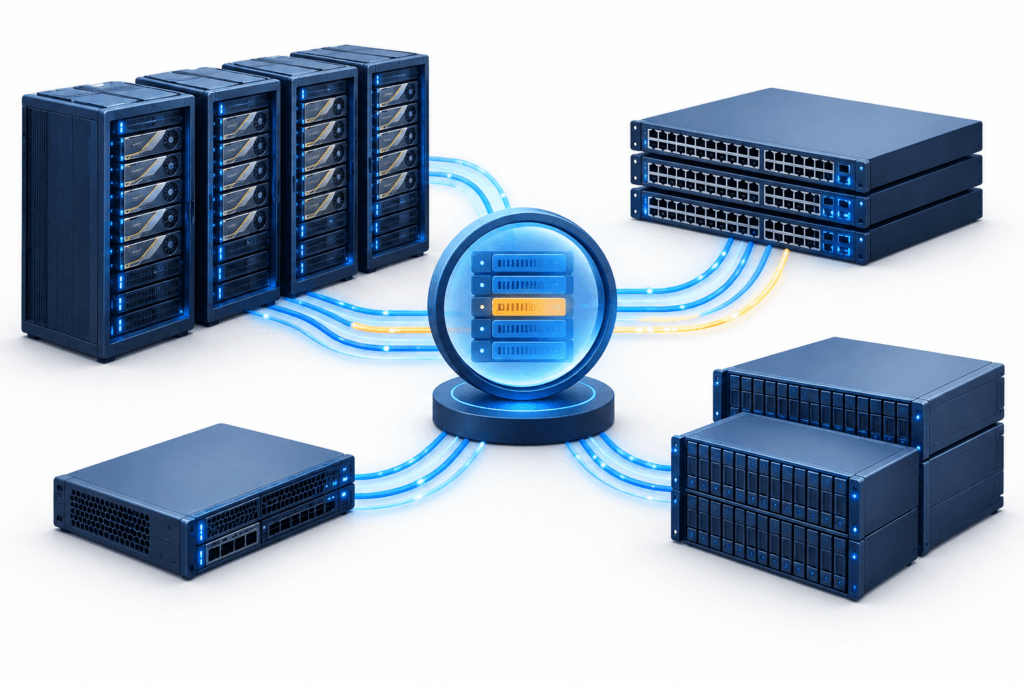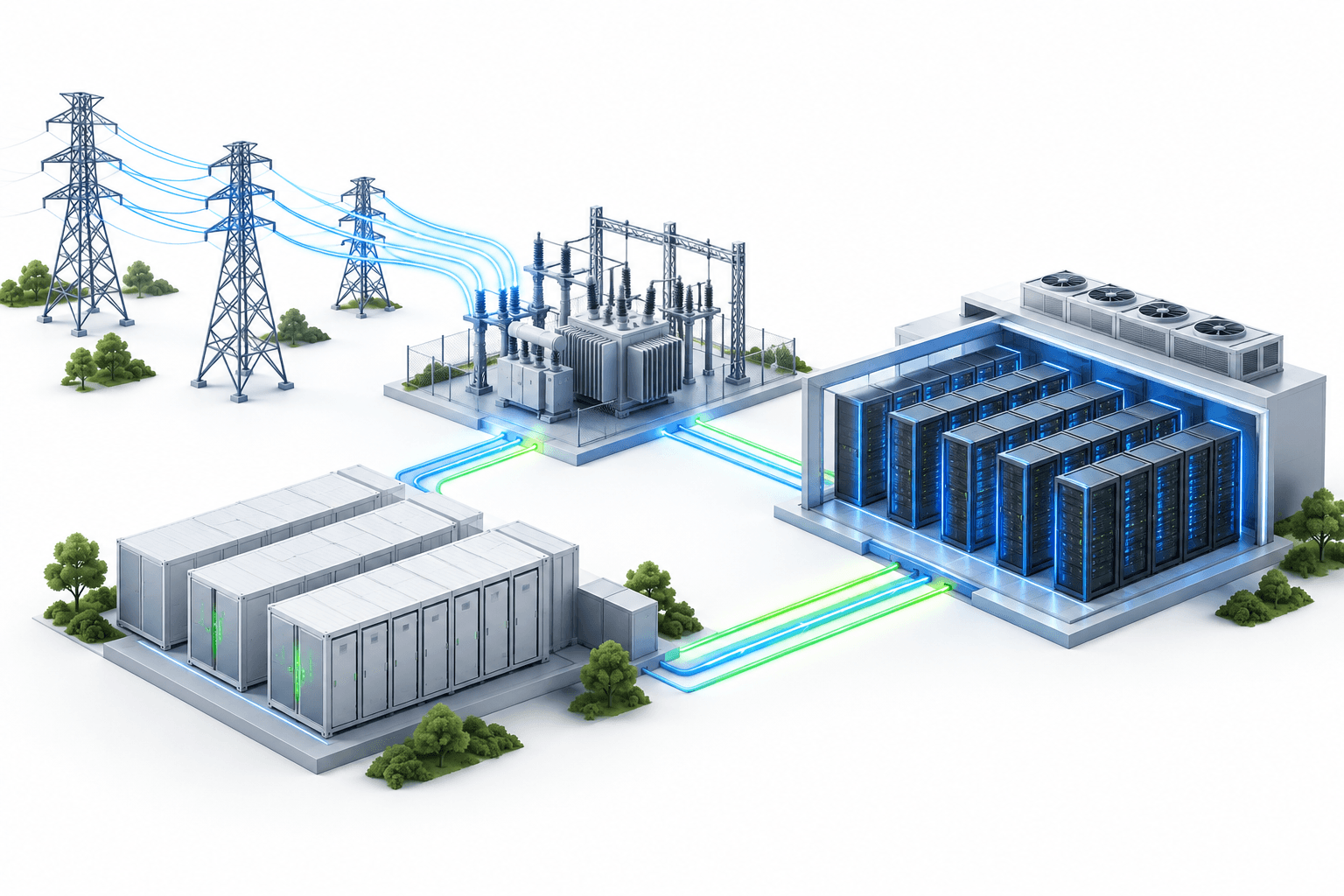
NVIDIA DSX is drawing integrations from energy equipment suppliers and software companies seeking to address power constraints on AI factories. In an October 22, 2026 report, NVIDIA outlined projects ranging from qualified battery storage equipment to operational controls and reference designs still under development.
Key Takeaways
- Energy suppliers are using DSX to connect planning for the grid, power infrastructure and AI computing facilities.
- NVIDIA says Phaidra’s integrated agents deliver about 10% more compute within the same power envelope.
- Emerald AI’s potential to unlock up to 100 gigawatts of U.S. grid capacity is a modeled outcome, not deployed capacity.
Table of Contents
- NVIDIA DSX addresses a shared infrastructure problem
- Equipment suppliers advance qualification and design work
- Siemens Energy develops a grid-aware reference design
- Software integrations target more compute and flexible demand
- Conclusion
NVIDIA DSX addresses a shared infrastructure problem
NVIDIA puts the equipment backlog at more than $300 billion and says over 200 gigawatts of projects are waiting in U.S. interconnection queues. Its report identifies separately designed grid, facility and computing systems as one cause of delays, risk and stranded capacity.
DSX is intended to bring those systems into a common planning and operating framework. DSX Sim and SimReady assets allow engineers to simulate equipment and infrastructure before construction, while DSX Flex coordinates AI factory demand with grid conditions and onsite generation. DSX MaxLPS and DSX Exchange support compute efficiency and signal sharing across energy, cooling, networking and operations.
Equipment suppliers advance qualification and design work
Hitachi Energy’s battery energy storage system has qualified as NVIDIA DSX Ready. The designation helps customers identify infrastructure meeting applicable DSX reference architecture design requirements; it is distinct from an announcement that a customer installation has been completed.
GE Vernova is deploying its expertise in grid-to-facility and rack power to complement DSX systems. Schneider Electric, working with AVEVA and ETAP, is advancing the platform through validated Vera Rubin power and cooling reference architectures and an Omniverse-powered AI factory digital twin.
The Schneider Electric collaboration connects simulations, real-time operating data and AI-driven optimization across AVEVA, Schneider Electric and third-party solutions, supporting data center design and operation throughout their lifecycle.
Siemens Energy develops a grid-aware reference design
Siemens Energy is developing a reference design spanning power generation, transmission and distribution, aligned with the NVIDIA DSX Vera Rubin AI factory design requirements.
Separately, the company is exploring RAPIDS, Metropolis and Isaac Sim for its Noedra digital twin platform. It is evaluating whether those technologies could improve grid monitoring, identify emerging risks and help prevent unplanned outages; the report does not describe that evaluation as a completed deployment.
Software integrations target more compute and flexible demand
Phaidra has integrated DSX Flex, DSX Max-Q and DSX Exchange into its self-learning agents. NVIDIA says the integration optimizes cooling and power allocation, improves grid flexibility and delivers about 10% more compute within the same power envelope.
Emerald AI has integrated its Conductor platform into DSX Flex to help utilities access underused grid capacity. NVIDIA describes the approach as modeled to unlock up to 100 gigawatts on the existing U.S. grid, rather than reporting that this capacity has already been made available.
Conclusion
The DSX updates span equipment qualification, software integration and infrastructure design. Their status matters: reported compute gains, exploratory technology evaluations and modeled grid capacity represent different stages of addressing the power bottleneck.
Read More News
Disclaimer
This FinanceVelix article provides general information, not personalized financial, investment, legal, or tax advice. Market prices, interest rates and economic conditions can change; investments carry a risk of loss. Facts reflect the material available when published and may change. Check important information independently and consult a qualified professional when needed. Mentioning an asset, company, or service is not an endorsement.