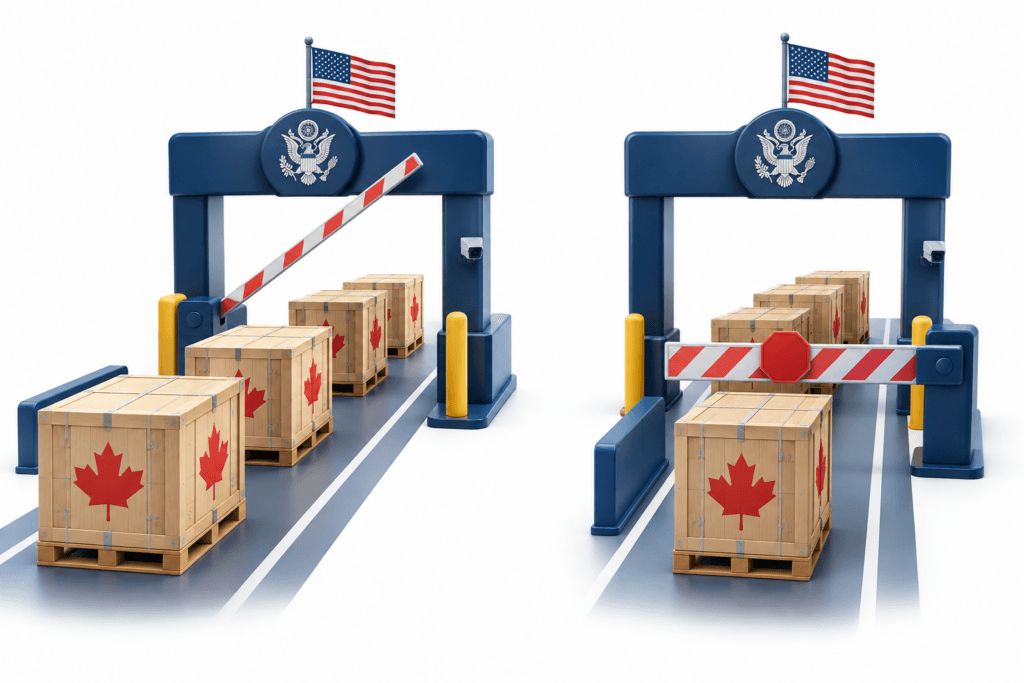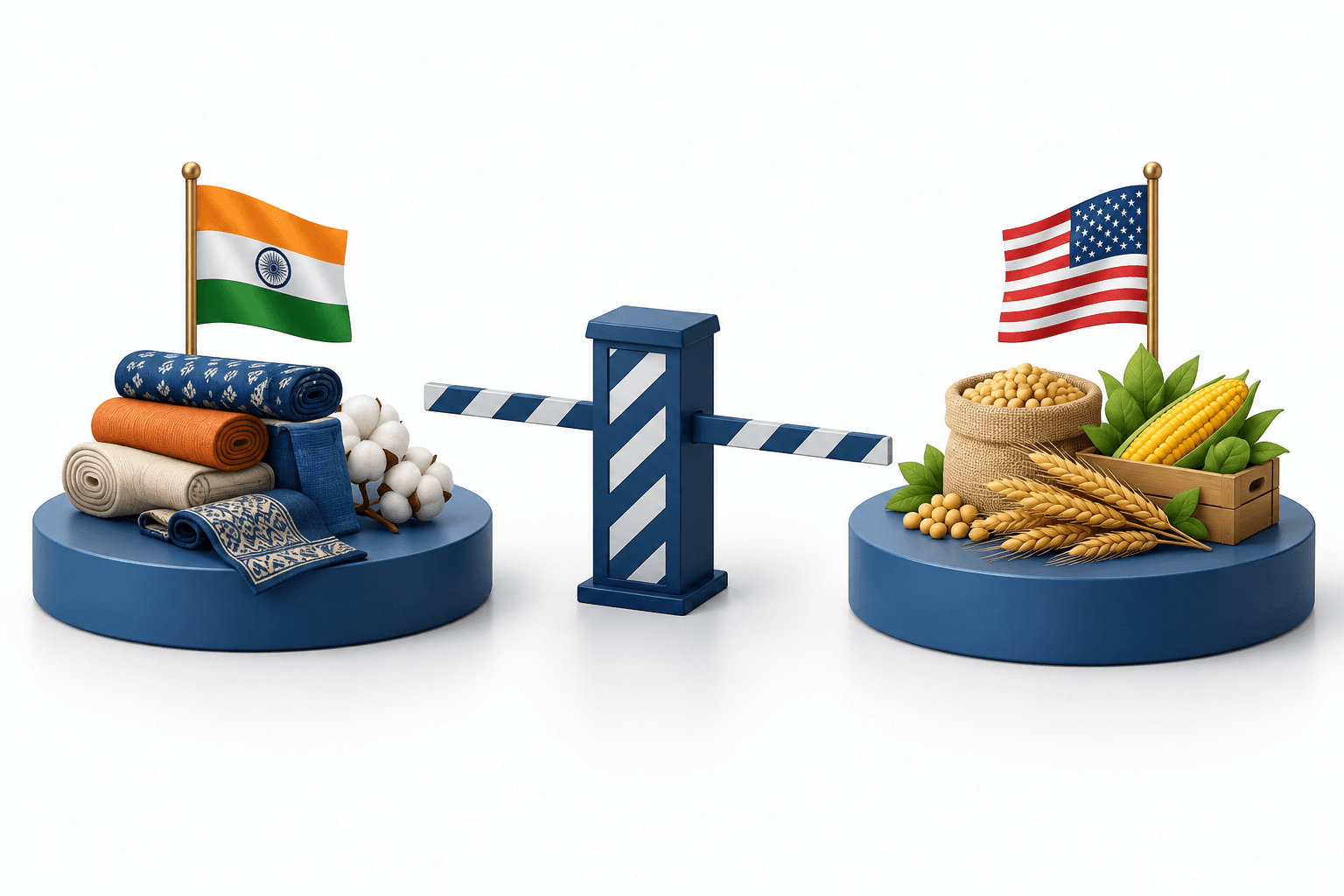
The India-US trade deal remained stalled as of October 25, 2026, with sources tracking the negotiations describing disagreements over US tariffs and Indian agricultural concessions. The impasse contrasts with US Secretary of State Marco Rubio’s assessment that the interim agreement was 99% complete and could be announced within weeks.
Key Takeaways
- India is resisting tariffs above the additional 10% levy that negotiating sources say its exports currently face.
- The February framework envisaged an 18% US reciprocal tariff on Indian goods.
- Agricultural concessions and uncertainty over future tariff penalties remain obstacles to an agreement.
Table of Contents
- India-US trade deal faces a tariff mismatch
- Farm concessions complicate the political calculation
- India seeks protection against further tariff penalties
- Conclusion
India-US trade deal faces a tariff mismatch
Washington wants to retain the 18% rate envisaged in February, while New Delhi sees little economic justification for accepting a rate above the current additional 10% levy described by sources familiar with the talks. Those sources said even a compromise rate of 12% or 14% would be unacceptable to India.
The February 6 joint trade framework specified an 18% US reciprocal tariff on originating Indian goods, alongside potential exemptions for selected products if the interim agreement was successfully concluded. That document establishes the earlier negotiating terms, rather than the tariff treatment in effect in October.
The central disagreement is therefore not simply how far Washington will reduce its February proposal. India is judging any agreement against the lower additional levy that negotiating sources say exporters currently face.
| Item | Details |
|---|---|
| Agricultural products in the February framework | Included animal-feed products, tree nuts, fruit, soybean oil, wine and spirits. |
| Potential US reciprocal-tariff exemptions | Included generic pharmaceuticals, gems and diamonds, and aircraft parts, subject to successful conclusion of the interim agreement. |
| Changes to agreed tariffs | The framework allowed either country to modify its commitments if the other changed agreed tariffs. |
Farm concessions complicate the political calculation
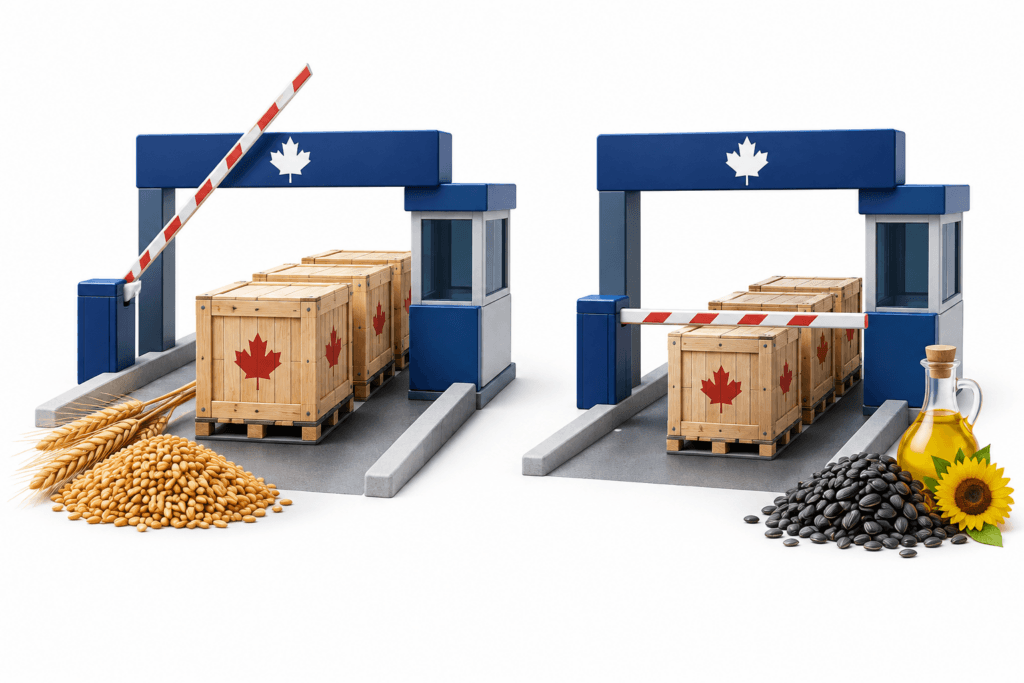
Sources said New Delhi is also weighing the domestic political cost of opening its market to US agricultural products while accepting a higher tariff burden on Indian exports.
The February framework proposed Indian tariff reductions or eliminations across a wide range of US food and agricultural products. Sources tracking the talks said India is sensitive to concessions that the Trump administration could present to voters in Republican-leaning states ahead of the US midterm elections.
Those sources described India as inclined to wait until after the elections before deciding how to proceed. That is an account of New Delhi’s negotiating position, not an announced timetable for signing an agreement.
India seeks protection against further tariff penalties
India also wants assurances about possible additional US tariffs, including measures linked to Russia sanctions legislation or an excess-capacity investigation. Sources said New Delhi wants its resulting tariff burden to remain below that of competitors such as Vietnam, Bangladesh and Indonesia.
India is additionally seeking assurances that fresh tariffs would not follow an agreement. Washington has not yet provided a satisfactory response, the sources said, leaving the scope and durability of any tariff settlement unresolved.
Conclusion
The India-US trade deal still requires agreement on both the tariff rate and protection against subsequent penalties. Rubio’s suggested announcement window remains an expectation, not an agreed signing date.
Read More News
Disclaimer
This FinanceVelix article provides general information, not personalized financial, investment, legal, or tax advice. Market prices, interest rates and economic conditions can change; investments carry a risk of loss. Facts reflect the material available when published and may change. Check important information independently and consult a qualified professional when needed. Mentioning an asset, company, or service is not an endorsement.