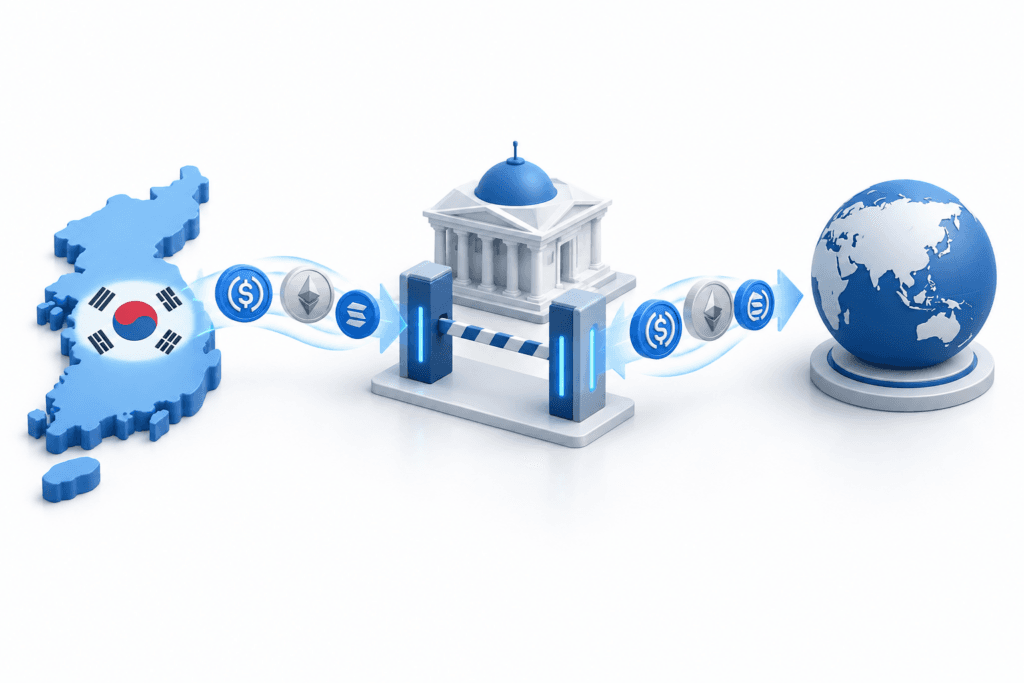
Tokenized assets and digital money could put pressure on net interest income, a business line accounting for 25–30% of wealth managers’ revenue, a Morgan Stanley and Oliver Wyman outlook highlighted on October 26, 2026 warns. That figure describes the revenue stream exposed to change, not a forecast that firms will lose a quarter of their revenue. Broader lending opportunities could offset some of the pressure.
Key Takeaways
- Digital money could challenge wealth managers’ deposit economics, but the report does not quantify an expected revenue loss.
- The report projects tokenized real-world assets will grow from roughly $40 billion to $2.3 trillion by 2030.
- New collateral-backed lending could provide an offset, while private-market liquidity benefits remain limited.
Table of Contents
- Tokenized assets create both income risks and lending opportunities
- A large growth forecast from a small base
- Private-market liquidity remains a constraint
- Conclusion
Tokenized assets create both income risks and lending opportunities
The central issue for wealth managers is how digital forms of money could change the economics of holding client cash. The report identifies net interest income as a significant exposure, while stressing that the eventual effect depends on adoption and client behavior.
Oliver Wyman’s discussion of tokenization and wealth-management economics explains the two-sided effect: digital money could pressure deposit economics, while a wider pool of tokenized assets eligible as collateral could generate new lending revenue.
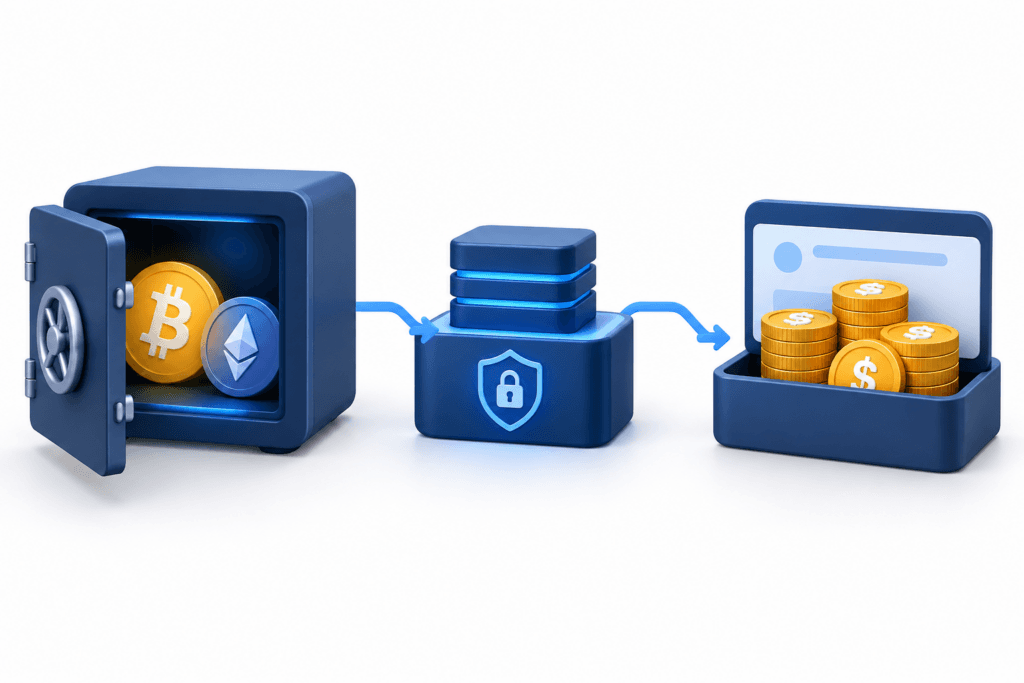
For firms, the challenge extends beyond offering a digital investment product. The report argues that wealth managers need to connect tokenized holdings, digital cash, collateral and lending within the client relationship. Otherwise, digital platforms offering those services together could draw away assets and control of the client interface.
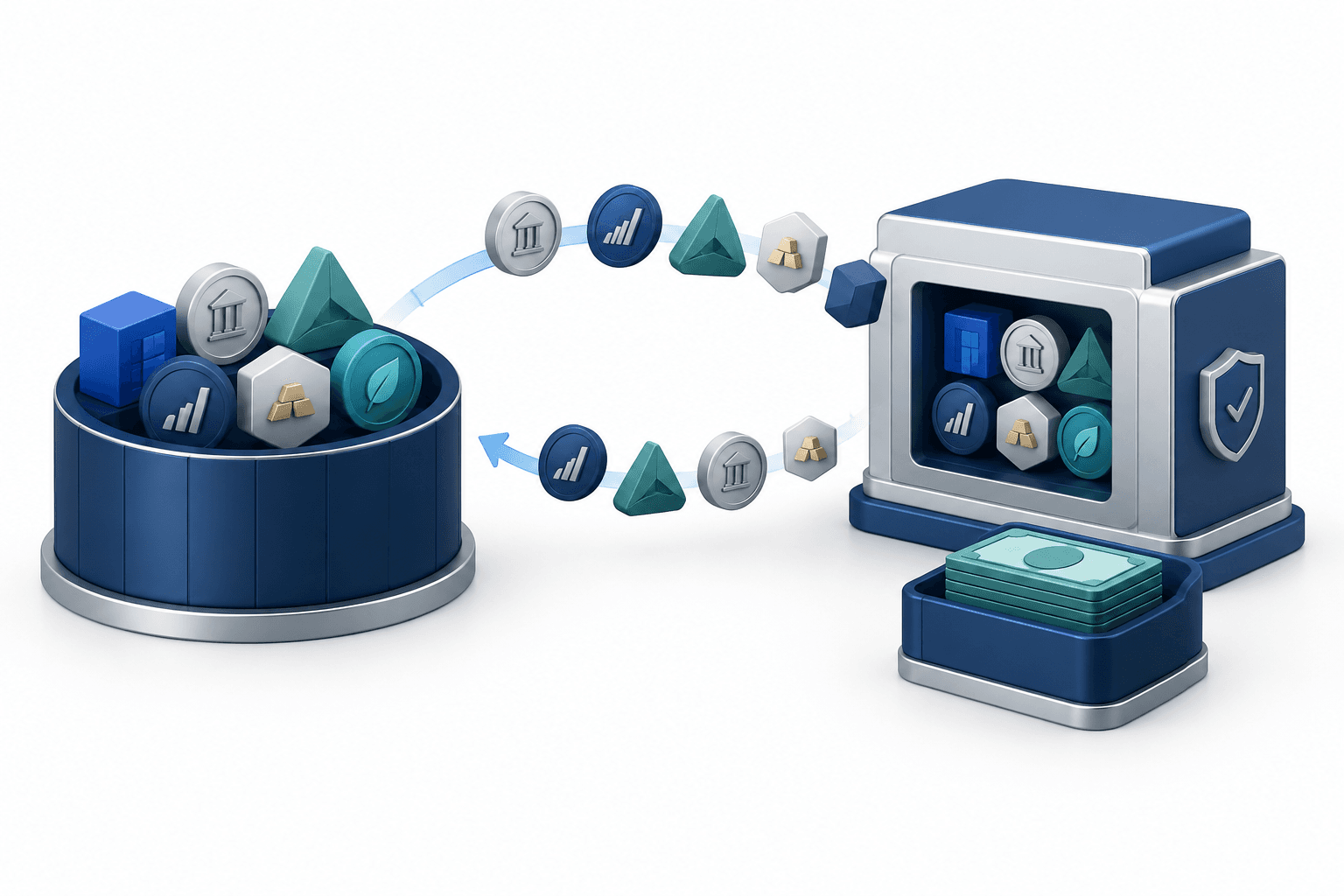
| Item | Details |
|---|---|
| Tokenized money market funds | Allow digital institutions to hold interest-bearing assets within blockchain infrastructure. |
| Short-duration instruments | Support collateral and treasury-management uses. |
| Tokenized equities | Offer a route for investment-product distribution through digital platforms. |
| Private-market assets | May benefit from improved ownership, transfer and servicing infrastructure without resolving underlying liquidity constraints. |
A large growth forecast from a small base
The projected increase to about $2.3 trillion by 2030 covers traditional financial assets represented as digital tokens on blockchain networks, including equities and bonds. It is a forecast, not a measure of assets already on those networks.
Despite the scale of the projected expansion, tokenized real-world assets would still represent less than 1% of global assets in the report’s 2030 base case. The outlook therefore points to a fast-growing market rather than an imminent replacement of conventional investment infrastructure.
For asset managers, the near-term commercial opportunity lies mainly in manufacturing and distributing products through digital platforms. The report identifies several uses rather than suggesting that all asset classes will benefit equally.
Private-market liquidity remains a constraint
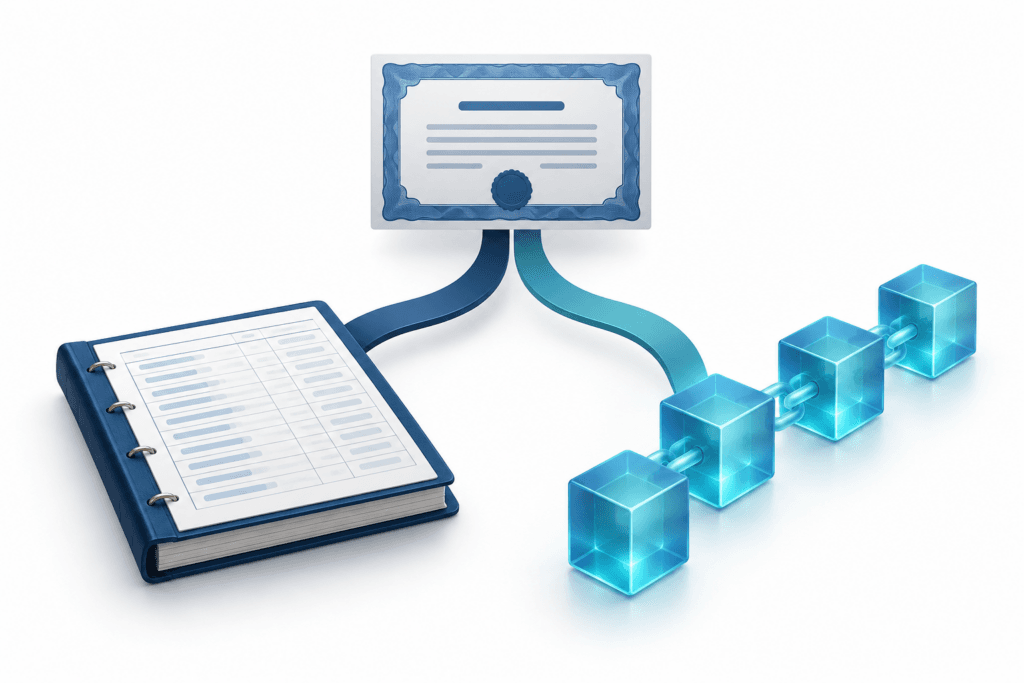
Tokenization can improve the infrastructure used to record ownership, transfer assets and service investments. It does not, by itself, create buyers or resolve infrequent valuations and limited price transparency in private markets.
That distinction limits claims that putting an illiquid investment on a blockchain automatically makes it easy to sell. The report favors selective investment in capabilities, with the commercial outcome dependent on which products clients adopt and how they use digital money and collateral.
Conclusion
The report’s 2030 horizon frames the next test: whether adoption of tokenized assets creates enough new lending and distribution business to offset pressure on client-cash economics. The outlook identifies both opportunities and risks, not a quantified net revenue loss.
Read More News
Disclaimer
This FinanceVelix article provides general information, not personalized financial, investment, legal, or tax advice. Market prices, interest rates and economic conditions can change; investments carry a risk of loss. Facts reflect the material available when published and may change. Check important information independently and consult a qualified professional when needed. Mentioning an asset, company, or service is not an endorsement.