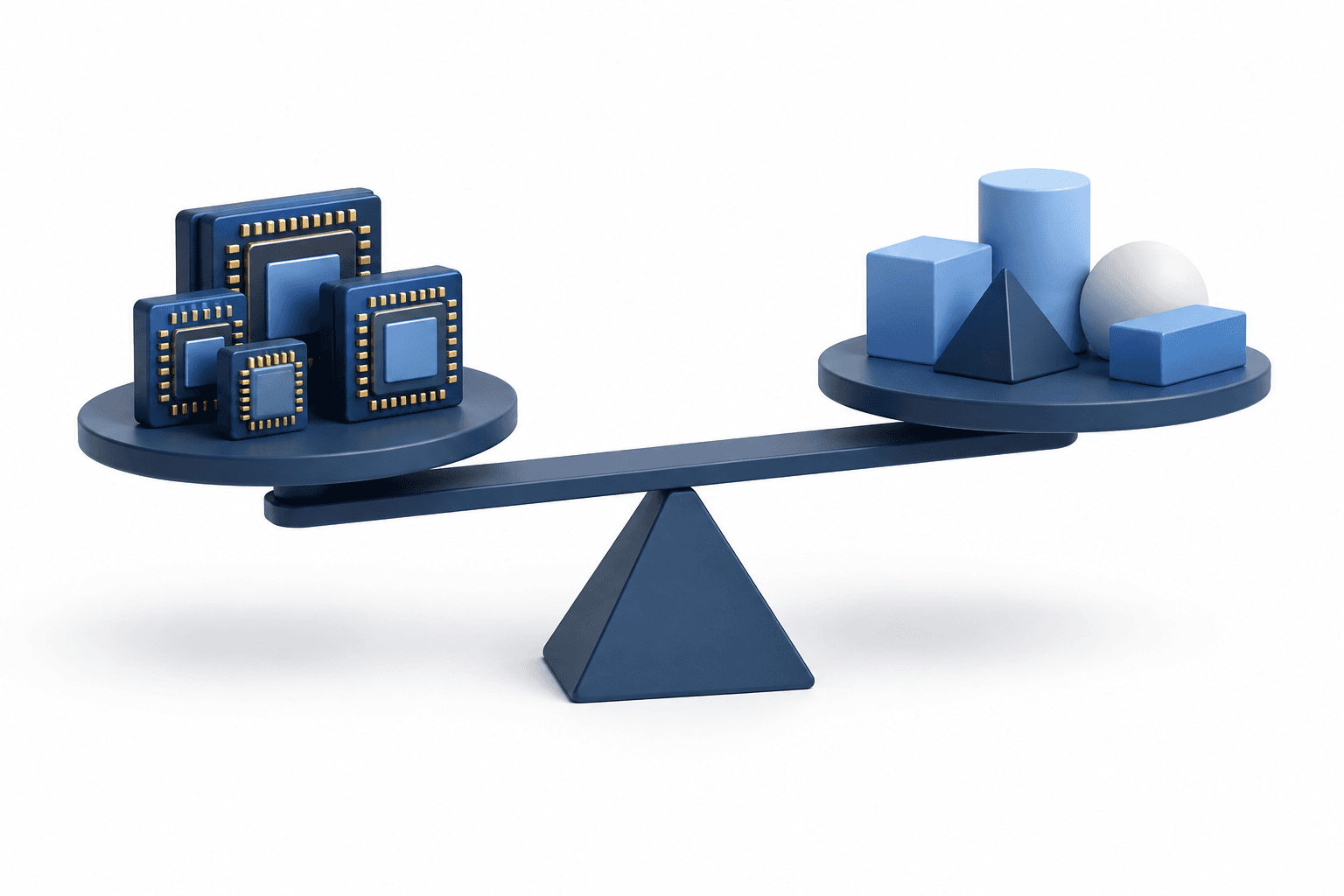
AI stock concentration is making global markets more dependent on a narrow set of outcomes, Morningstar CEO Kunal Kapoor says. He cautioned that investors may be too optimistic about how quickly spending on artificial intelligence will translate into company earnings.
Key Takeaways
- Kapoor said AI investment could support revenue, margins and productivity, but the gains may not arrive in a straight line.
- He said India’s economic growth does not automatically make its equities attractive at current prices.
- Foreign investors had sold a net ₹4.55 lakh crore of Indian equities in 2026 through October.
Why AI stock concentration matters
Kapoor said the main risk is not necessarily that AI fails, but that investors expect its financial benefits to appear too quickly. The market is assuming current investment will eventually produce stronger revenue, higher margins and better productivity, he said.
With gains concentrated in a relatively small group of AI-linked companies, global markets have become more dependent on a limited set of outcomes, Kapoor said. His comments describe a risk to expectations, not a prediction that AI investment will fail.
India’s growth and equity valuations
Kapoor also cautioned that a thriving economy can support business growth without necessarily delivering attractive investment returns. He said India remains expensive despite underperforming global markets over the preceding two years, and that several other emerging markets look more attractive on valuation and expected returns.
Foreign portfolio investors have been net sellers since July 2025. In 2026 through October, they had sold a net ₹4.55 lakh crore of Indian equities, including ₹51,466 crore during October.
Oil and gold in the investment outlook
Sustained high oil prices would weigh on Indian company earnings and investor sentiment, Kapoor said. He added that India’s longer-term investment case rests on productivity, demographics and economic growth rather than a single commodity cycle.
Brent crude was around $115.06 a barrel after rising more than 9% over the preceding month, amid geopolitical tensions and concerns about Middle East supply disruptions. Kapoor described gold as a portfolio diversifier rather than a growth asset, saying that view argues for a modest rather than large allocation for most investors.
Read More News
Disclaimer
This FinanceVelix article provides general information, not personalized financial, investment, legal, or tax advice. Market prices, interest rates and economic conditions can change; investments carry a risk of loss. Facts reflect the material available when published and may change. Check important information independently and consult a qualified professional when needed. Mentioning an asset, company, or service is not an endorsement.



Comments
Be respectful. No spam, impersonation or private credentials. Ordinary posts and comments appear immediately; suspicious links are held for review.
Please wait…