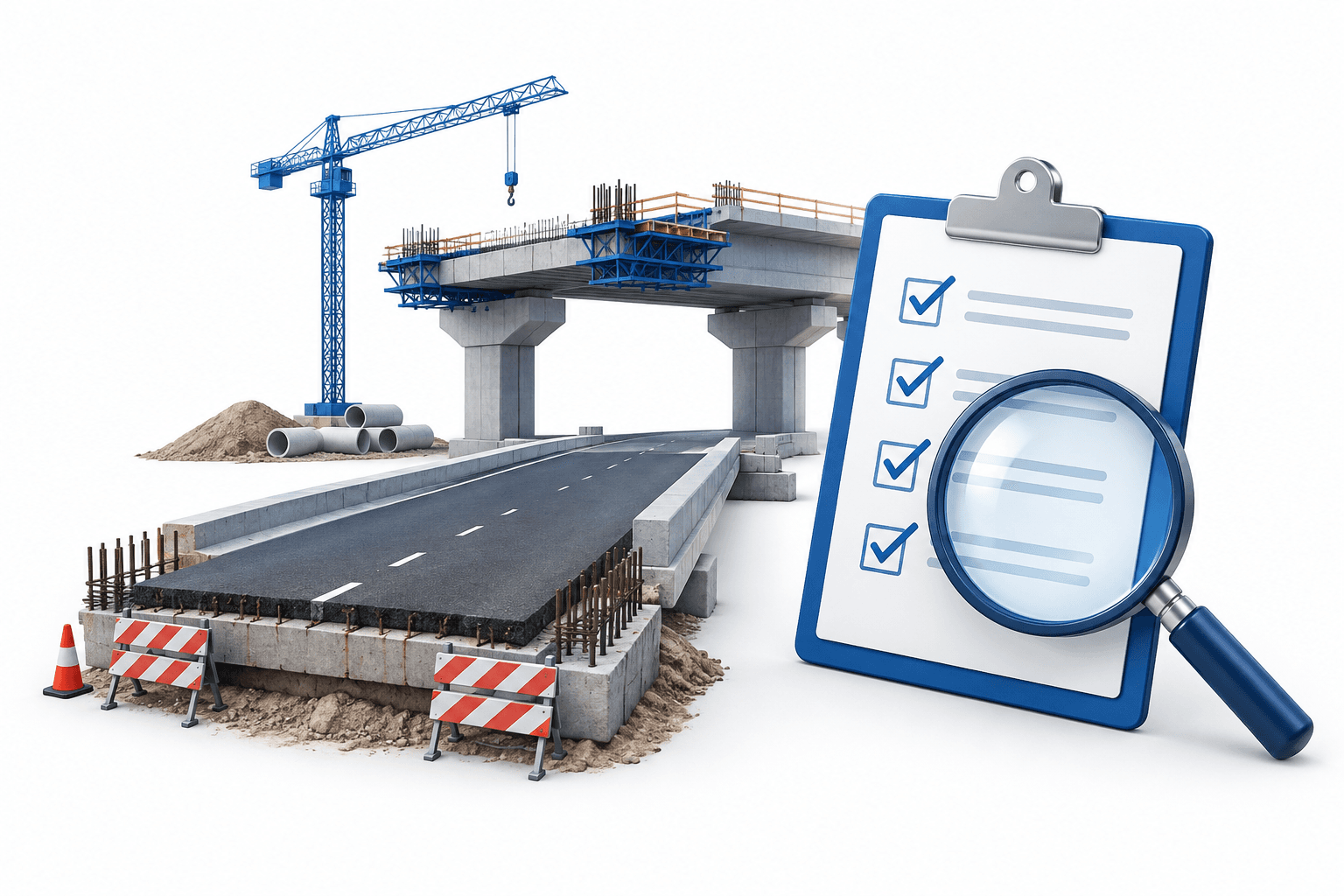
Philippine infrastructure spending remained weak in the first eight months of 2026, with infrastructure and other capital outlays falling 34.6% from a year earlier as tighter project oversight and implementation delays weighed on disbursements.
Key Takeaways
- Infrastructure and other capital outlays fell to 522 billion pesos in January–August from 798.4 billion pesos a year earlier.
- Budget authorities cited tighter checks on public works, ongoing bidding and construction delays.
- The government had released 94.1% of its full-year obligation program in allotments by the end of August.
Philippine infrastructure spending slowed by project checks
The Department of Budget and Management (DBM) attributed much of the eight-month decline to lower disbursements by the Department of Public Works and Highways under tighter compliance and monitoring requirements.
The DBM said the checks are intended to ensure payments correspond to validated and documented work. Authorities began monitoring infrastructure projects after a corruption scandal emerged in 2025.
Total capital outlays, a broader measure, also declined in the first eight months of 2026. Continued work on schools, hospitals, farm-to-market roads, defense modernization and transport projects helped moderate the fall in infrastructure disbursements, the DBM said.
| Item | Details |
|---|---|
| Infrastructure and other capital outlays, January–August | 522 billion pesos in 2026, down from 798.4 billion pesos in 2025. |
| Total capital outlays, January–August | 753 billion pesos in 2026, down from 970.9 billion pesos in 2025. |
| Infrastructure and other capital outlays, August | 70.5 billion pesos in 2026, down from 84.9 billion pesos in 2025. |
| Total capital outlays, August | 95.2 billion pesos in 2026, down from 112.9 billion pesos in 2025. |
August delays and uncashed checks
In August, infrastructure and other capital outlays fell 16.9% from a year earlier. The DBM said bidding was ongoing for some public works projects, while most remained under implementation.
Flooding in parts of Luzon also slowed road and rail construction during the month. The department said 10 billion pesos in checks issued to contractors and suppliers had yet to be encashed.
Capital transfers to local government units fell 12.2% in August to 24.5 billion pesos, which the DBM attributed to the release schedule for their special shares in national tax proceeds.
Budget allotments and later releases
By the end of August, authorities had released 6.392 trillion pesos in allotments, or 94.1% of the 6.793-trillion-peso full-year obligation program. The remaining 401.4 billion pesos required additional information, documents or other conditions and approvals before release.
The DBM issued a further 121.8 billion pesos in allotments in September for personnel services, capital outlays and programs across areas including education, health, transportation and defense modernization. The department expected operating expenses and employee benefits to contribute to higher government spending in the remaining months of 2026.
Read More News
Disclaimer
This FinanceVelix article provides general information, not personalized financial, investment, legal, or tax advice. Market prices, interest rates and economic conditions can change; investments carry a risk of loss. Facts reflect the material available when published and may change. Check important information independently and consult a qualified professional when needed. Mentioning an asset, company, or service is not an endorsement.



Comments
Be respectful. No spam, impersonation or private credentials. Ordinary posts and comments appear immediately; suspicious links are held for review.
Please wait…