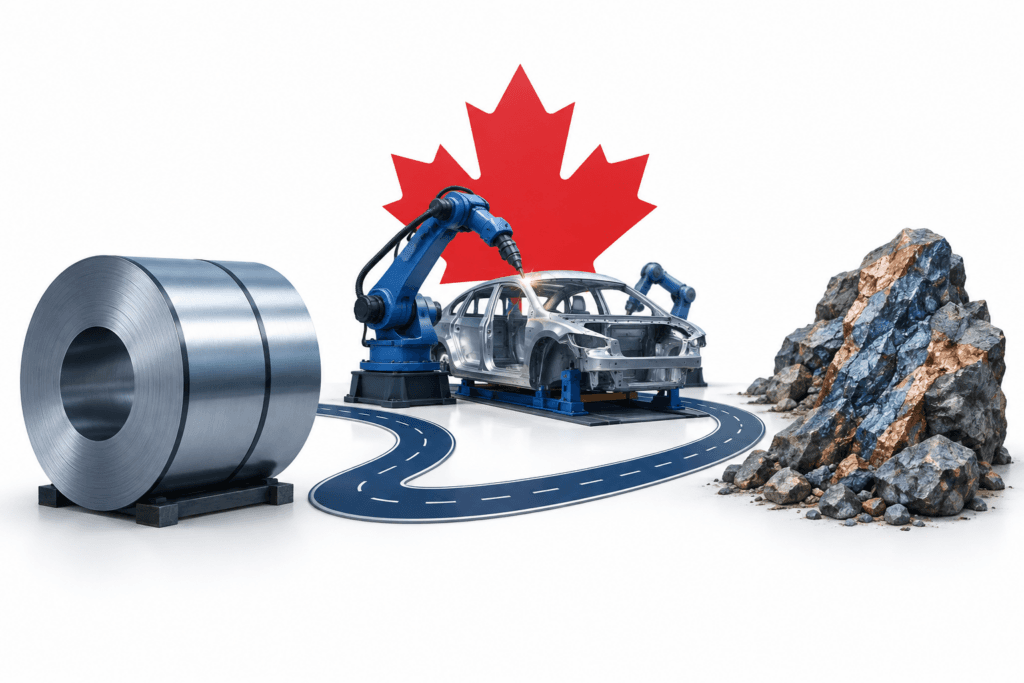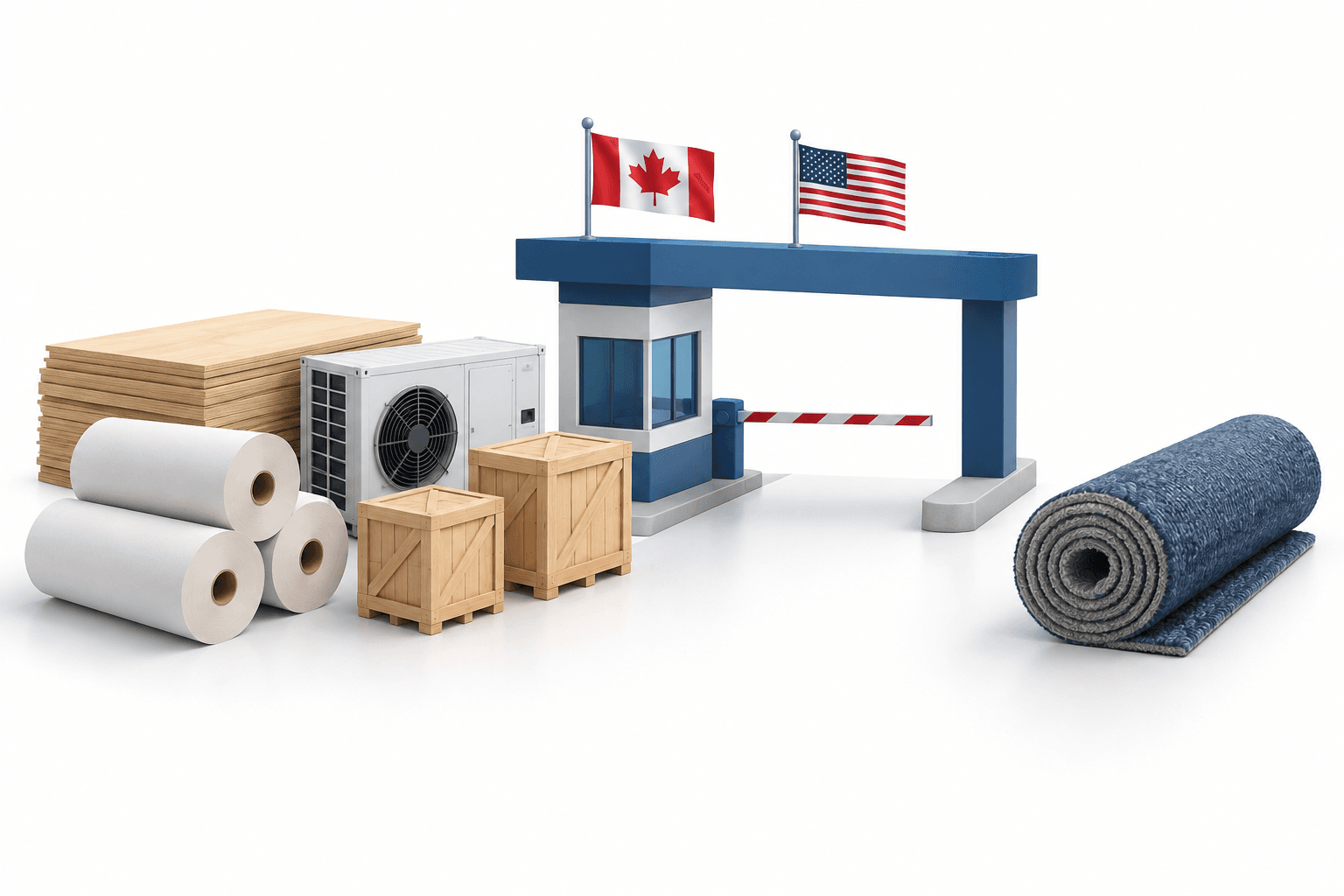
The White House announced on October 23, 2026, that the United States will remove additional 50% tariffs on selected Canadian goods from October 30, including plywood sheets, some paper products, certain machinery and refrigeration equipment. The Canadian tariffs change is not a broad rollback: other products will be added to the duties as the bilateral trade dispute continues.
Key Takeaways
- Selected Canadian machinery, paper products and packaging will lose the additional 50% tariff from October 30.
- Other goods, including carpets and waste products, will be brought into the tariff scope.
- Senator Susan Collins welcomed the exemptions, saying they cover products important to Maine’s agricultural industries.
Table of Contents
- Which Canadian tariffs are changing?
- Maine agriculture and the election backdrop
- A broader trade agreement remains unresolved
- Conclusion
Which Canadian tariffs are changing?
The exemptions cover specified products rather than entire industries. Alongside plywood, paper, machinery and refrigeration equipment, the White House identified certain packing crates and boxes for relief. Carpets and waste products are among the goods being added to the tariff list.
The presidential proclamation modifying Canadian import duties removes the additional 50% charge from products listed in one part of its annex and applies that charge to products listed in another. The change therefore reshapes the scope of the tariffs rather than reducing the rate across all covered Canadian imports.
Removal from this particular tariff does not necessarily mean a product becomes duty-free. The proclamation leaves other applicable duties in place, making the precise product coverage important for importers.
| Item | Details |
|---|---|
| Legal authority | Section 338 of the Tariff Act of 1930. |
| Precise implementation time | 12:01 a.m. Eastern time on October 30, 2026. |
| Customs timing | Applies to goods entered for consumption or withdrawn from warehouse for consumption from the effective time. |
| Other trade duties | Duties imposed under Section 232 remain additional to the covered Section 338 tariffs. |
Maine agriculture and the election backdrop
Republican Senator Susan Collins, who is seeking re-election in Maine, announced the exemptions before the White House statement. She said she had repeatedly asked senior administration officials for relief.
Collins said the affected products were crucial to Maine’s blueberry, potato, apple and seaweed producers. She also said she would continue seeking additional relief and a broader trade agreement with Canada.
The announcement came ahead of the November midterm elections, which will determine control of Congress. Collins’ Democratic challenger, Troy Jackson, criticized her support for the administration and argued that the trade dispute had raised costs for Maine residents.
Maine borders New Brunswick and Quebec, and its economy is closely linked to Canada. The targeted exemptions address some products used by local industries without ending the wider cross-border tariff dispute.
A broader trade agreement remains unresolved
The United States imposed the 50% levy on $20 billion of Canadian goods after trade talks broke down in August. Canada subsequently imposed countermeasures, with Prime Minister Mark Carney describing them as necessary to protect Canadian workers.
On October 23, President Donald Trump said Canada was working hard toward a trade deal. Carney said Canada remained open to a mutually beneficial agreement but was prepared to wait rather than accept an unsuitable deal.
Canadian minister Dominic LeBlanc said the government was assessing the latest changes and remained ready to work constructively toward a trading relationship that respected Canada’s interests. Those statements signal continued willingness to negotiate, not a completed agreement.
Conclusion
The next confirmed step is implementation on October 30, 2026. The Canadian tariffs adjustment will change which products face the additional duty, while a broader US-Canada trade settlement remains unresolved.
Read More News
Disclaimer
This FinanceVelix article provides general information, not personalized financial, investment, legal, or tax advice. Market prices, interest rates and economic conditions can change; investments carry a risk of loss. Facts reflect the material available when published and may change. Check important information independently and consult a qualified professional when needed. Mentioning an asset, company, or service is not an endorsement.