India’s aviation regulator has proposed changes to its electric aircraft maintenance approval framework, creating categories for firms servicing electric propulsion engines and components used in newer aircraft systems. The proposal is open for comments until November 1, 2026.
Electric aircraft maintenance approvals
In an October 26 notice, the Directorate General of Civil Aviation (DGCA) invited feedback on changes to CAR-145, the requirements governing approval of aircraft maintenance organisations.
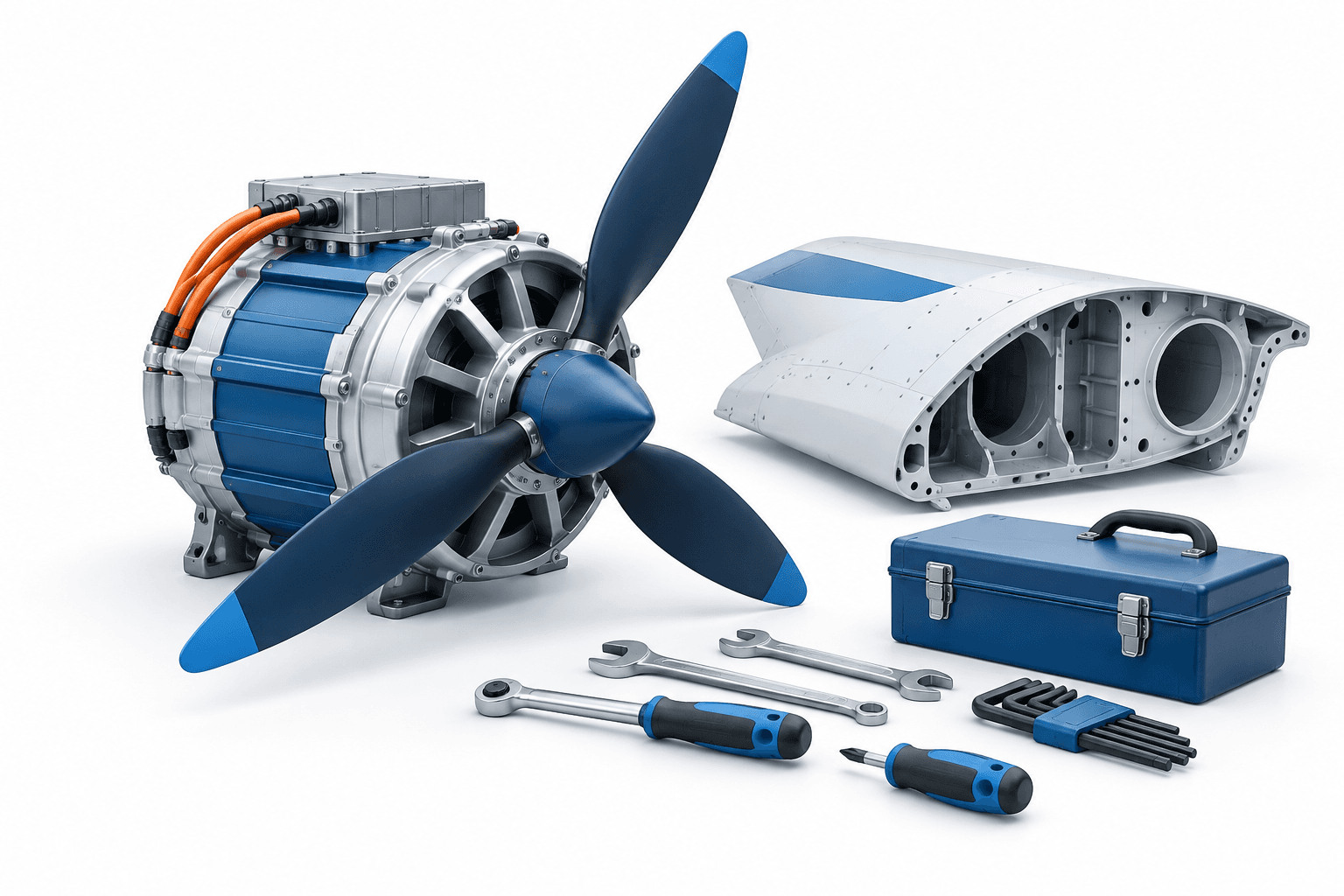
The draft would establish a B4 engine maintenance category for electric engines that power aircraft propellers or rotors. It would cover engines outside the existing classifications for turbine engines, piston engines and auxiliary power units.
Electric engines used to generate thrust or lift would fall under B4 rather than the component category for electrical power and lights. The proposal would give maintenance, repair and overhaul firms a clearer category under which to seek approval, subject to applicable requirements.
Components and safety reporting
The draft also introduces a component approval category called C23 “Others” for equipment that does not fit existing classifications. It could include components in innovative aircraft designs and systems where current categories or their corresponding technical chapters are inadequate.
Separately, the proposal adds guidance on sharing relevant safety occurrence reports with the holder of the aircraft or component design approval. It also recommends coordination with that holder to determine whether existing or proposed service information would resolve a reported problem or whether a specific solution is needed.
Read More News
Disclaimer
This FinanceVelix article provides general information, not personalized financial, investment, legal, or tax advice. Market prices, interest rates and economic conditions can change; investments carry a risk of loss. Facts reflect the material available when published and may change. Check important information independently and consult a qualified professional when needed. Mentioning an asset, company, or service is not an endorsement.




Comments
Be respectful. No spam, impersonation or private credentials. Ordinary posts and comments appear immediately; suspicious links are held for review.
Please wait…