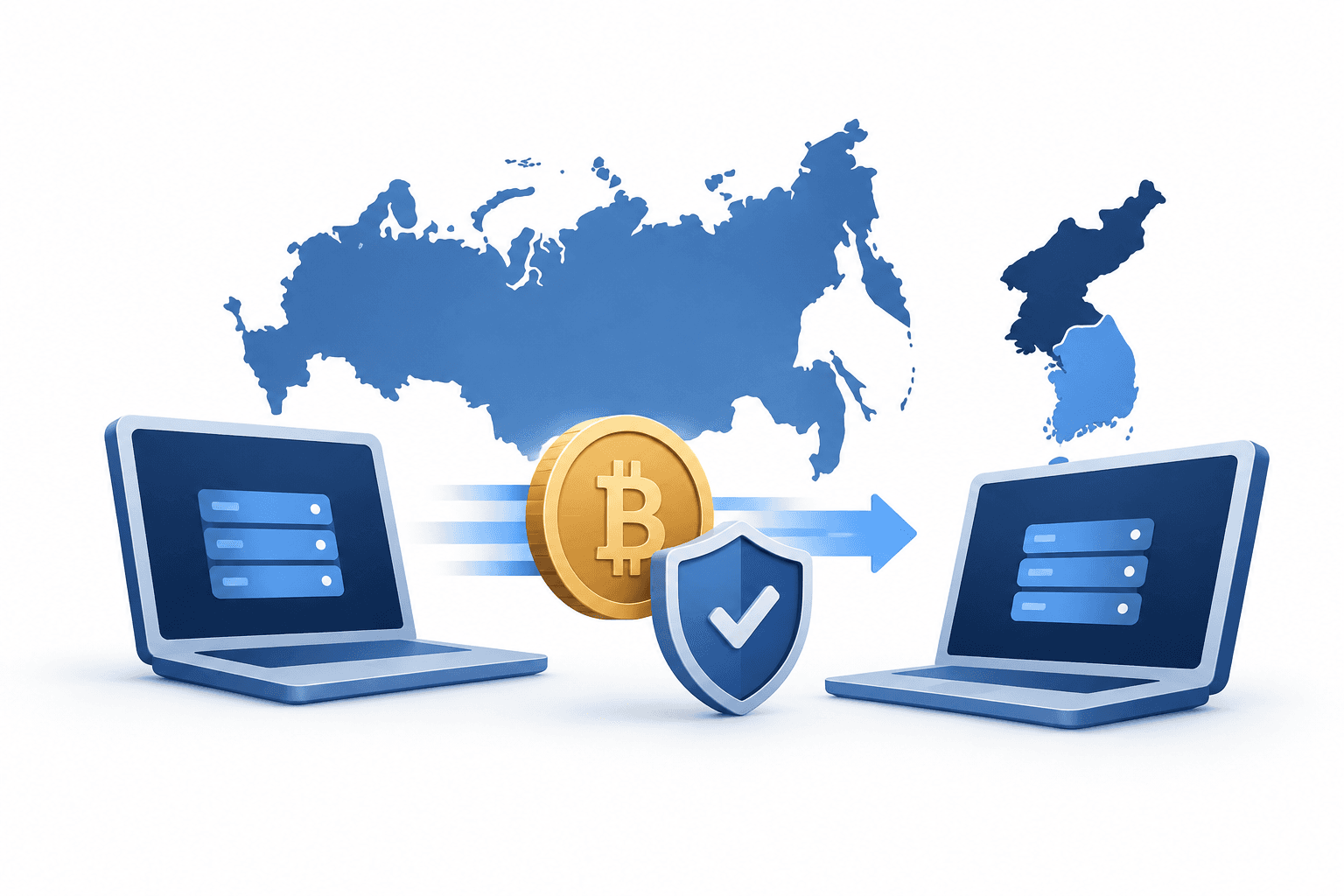
North Korea sanctions imposed by the United States on October 28, 2026, targeted two Russian nationals accused of converting cryptocurrency for networks supporting Pyongyang’s overseas IT workers. The action designated 10 individuals and one entity in total.
Key Takeaways
- Treasury alleges that Ilya Boykov converted $3.5 million in cryptocurrency transactions for a previously sanctioned company.
- A second Russian intermediary allegedly handled nearly $2 million in crypto conversions for North Korean officials.
- The designations add parties to existing sanctions restrictions rather than creating a new general rule.
Who the North Korea sanctions target
The Treasury Department said Ilya Aleksandrovich Boykov had supported Alis since 2024 by exchanging and converting the equivalent of $3.5 million in cryptocurrency transactions, monitoring transactions and providing logistical support. Alis was designated in March 2024 for its relationship with the previously sanctioned Chinyong Information Technology Cooperation Company.
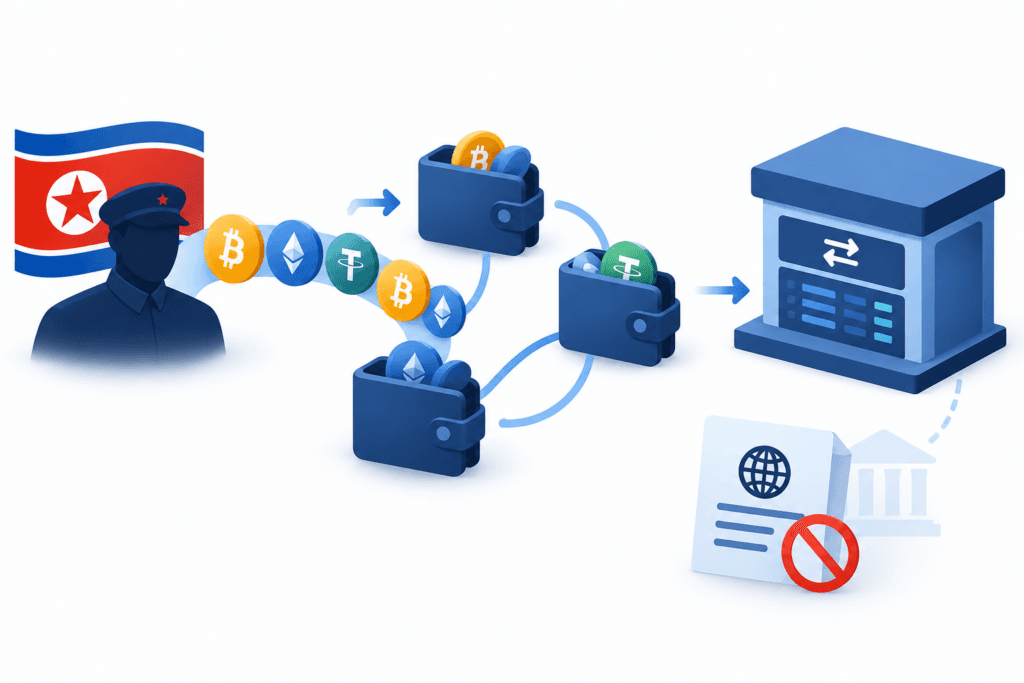
Treasury also accused Vitold Viktorovich Obertas of conducting nearly $2 million in cryptocurrency conversions and at least $1.25 million in other currency transactions for North Korean officials since January 2025. The department identified him as an intermediary for transactions involving Amnokgang Technology Development Company, which was designated in March 2026.
The allegations concern the movement of funds as well as the overseas employment schemes that generated them. They are Treasury’s allegations, not findings that every employer involved knowingly participated.
Russia-based worker organization also designated
The action also designated the First Financial and Technical Development Center, a North Korean-controlled organization operating in Russia, and six workers associated with it. Treasury said the six had collectively generated more than $750,000 for the organization since 2025.
Treasury said North Korean IT workers use stolen identities, fabricated personas and fraudulent documents to obtain jobs with legitimate businesses. It said the government takes most of their wages and that some workers have used corporate network access to deploy malware and steal information.
What the designations change
The October action adds people and an organization to an existing sanctions regime; it is not a proposal or a new prohibition on cryptocurrency generally. Treasury’s sanctions announcement says the designated parties’ property and interests in property within the United States or held by U.S. persons are blocked and must be reported to the Office of Foreign Assets Control.
Entities owned 50% or more, directly or indirectly, by one or more blocked persons are also blocked. Transactions by U.S. persons or within the United States involving blocked property are generally prohibited unless authorized or exempt. Financial institutions and other parties may also risk sanctions exposure for certain dealings with blocked persons.
Read More News
Disclaimer
This FinanceVelix article provides general information, not personalized financial, investment, legal, or tax advice. Market prices, interest rates and economic conditions can change; investments carry a risk of loss. Facts reflect the material available when published and may change. Check important information independently and consult a qualified professional when needed. Mentioning an asset, company, or service is not an endorsement.



Comments
Be respectful. No spam, impersonation or private credentials. Ordinary posts and comments appear immediately; suspicious links are held for review.
Please wait…