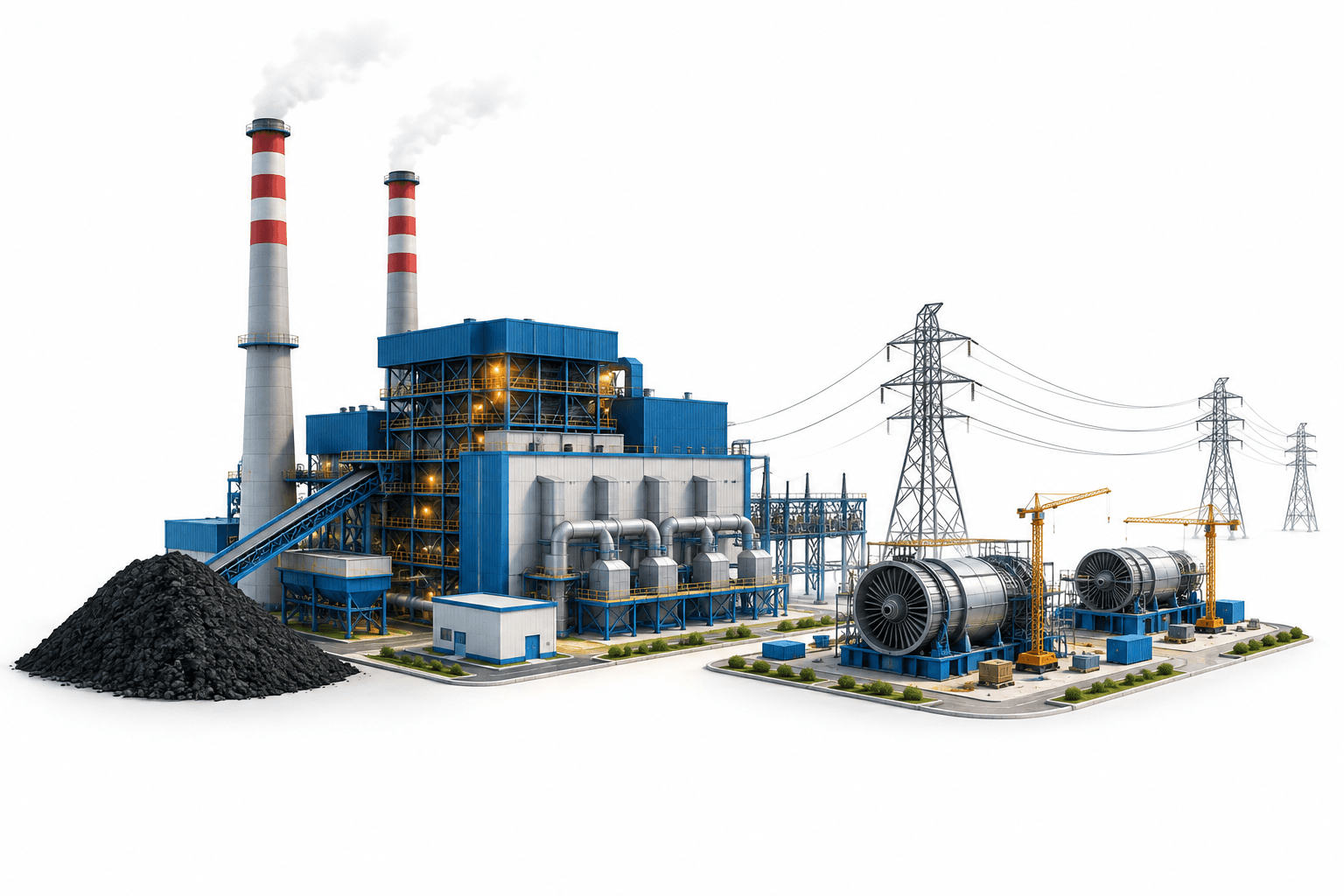
Adani Power earnings rose sharply in the second quarter of FY27, with consolidated profit after tax increasing 141.5% to ₹7,019.32 crore. The results, announced on October 23, 2026, reflected stronger electricity sales and tariffs, but also included substantial one-time revenue from earlier periods.
Key Takeaways
- Continuing EBITDA grew 18.5%, considerably slower than reported net profit.
- Power sales increased 11.5%, while higher imported-coal costs pushed fuel expenses up 41.8%.
- Long-term supply commitments cover 62% of the planned 23.72 GW thermal expansion.
Adani Power earnings separate core growth from one-time gains
The company’s Q2 FY27 results announcement showed continuing total revenue rising 28.5% to ₹17,528.35 crore. Continuing earnings before interest, taxes, depreciation and amortization increased to ₹6,320.97 crore from ₹5,332.71 crore a year earlier.
Reported earnings received an additional boost from ₹2,422.25 crore of one-time prior-period revenue, primarily reflecting revisions to historical energy charges under certain power-purchase agreements. The comparable amount in Q2 FY26 was ₹668.53 crore.
A ₹230.60 crore tax credit, compared with a ₹1,059.74 crore tax charge a year earlier, also supported the bottom line. Reported profit before tax rose 71.2%, substantially less than profit after tax.
Chief Executive S B Khyalia said recovery of the historical Gujarat energy-charge amounts was complete. The revised rate is now embedded in regular tariffs, but no further prior-period recovery remains. That distinction matters when assessing how much of the quarter’s profit can recur.
| Item | Details |
|---|---|
| Gross debt | ₹61,860.37 crore at September 30, 2026, versus ₹53,555.54 crore at March 31, 2026. |
| Net debt | ₹45,845.92 crore at September 30, 2026, versus ₹45,022.02 crore at March 31, 2026. |
| Q2 finance costs | ₹760.23 crore, down 9.7% from ₹841.63 crore in Q2 FY26. |
| Credit ratings | CARE Ratings and India Ratings upgraded Adani Power from AA; Stable to AA+; Stable. |
Higher sales meet a faster-rising fuel bill
Electricity sales reached 26.4 billion units, compared with 23.7 billion units in Q2 FY26. Plant load factor, a measure of capacity utilization, improved to 70.1% from 62.8%.
Adani Power attributed revenue growth to higher volumes, improved power-purchase agreement tariffs and stronger merchant-market realizations. However, fuel expenses rose to ₹10,229.38 crore as generation increased and the landed cost of imported coal climbed 50%.
The faster increase in fuel costs helps explain why continuing EBITDA grew more slowly than continuing revenue. Merchant and short-term sales volumes fell 43% as more open capacity moved into medium-term contracts, changing the mix of electricity sales.
Expansion commitments rise alongside debt
Adani Power received a letter of award from Uttarakhand Power Corporation for a 25-year supply arrangement covering 1,320 MW, or 1,234 MW net. The award takes total supply tie-ups for its planned 23.72 GW thermal capacity addition to 62%; it does not mean that capacity is already operating.
The first 660 MW unit at Korba Phase II had been synchronized with the grid, with commissioning expected shortly. The October 23 announcement placed the second unit’s expected commissioning in Q4 FY27 and full commissioning of Mahan Phase II in early FY2027–28.
Gross debt increased during the first half, while net debt rose more modestly. Finance costs nevertheless declined, which the company attributed to operating cash generation and controlled use of operational debt.
Next milestone
The next operating milestone is commissioning Korba Phase II’s first 660 MW unit, which had reached grid synchronization when the results were announced.
Read More News
Disclaimer
This FinanceVelix article provides general information, not personalized financial, investment, legal, or tax advice. Market prices, interest rates and economic conditions can change; investments carry a risk of loss. Facts reflect the material available when published and may change. Check important information independently and consult a qualified professional when needed. Mentioning an asset, company, or service is not an endorsement.



Comments
Be respectful. No spam, impersonation or private credentials. Ordinary posts and comments appear immediately; suspicious links are held for review.
Please wait…