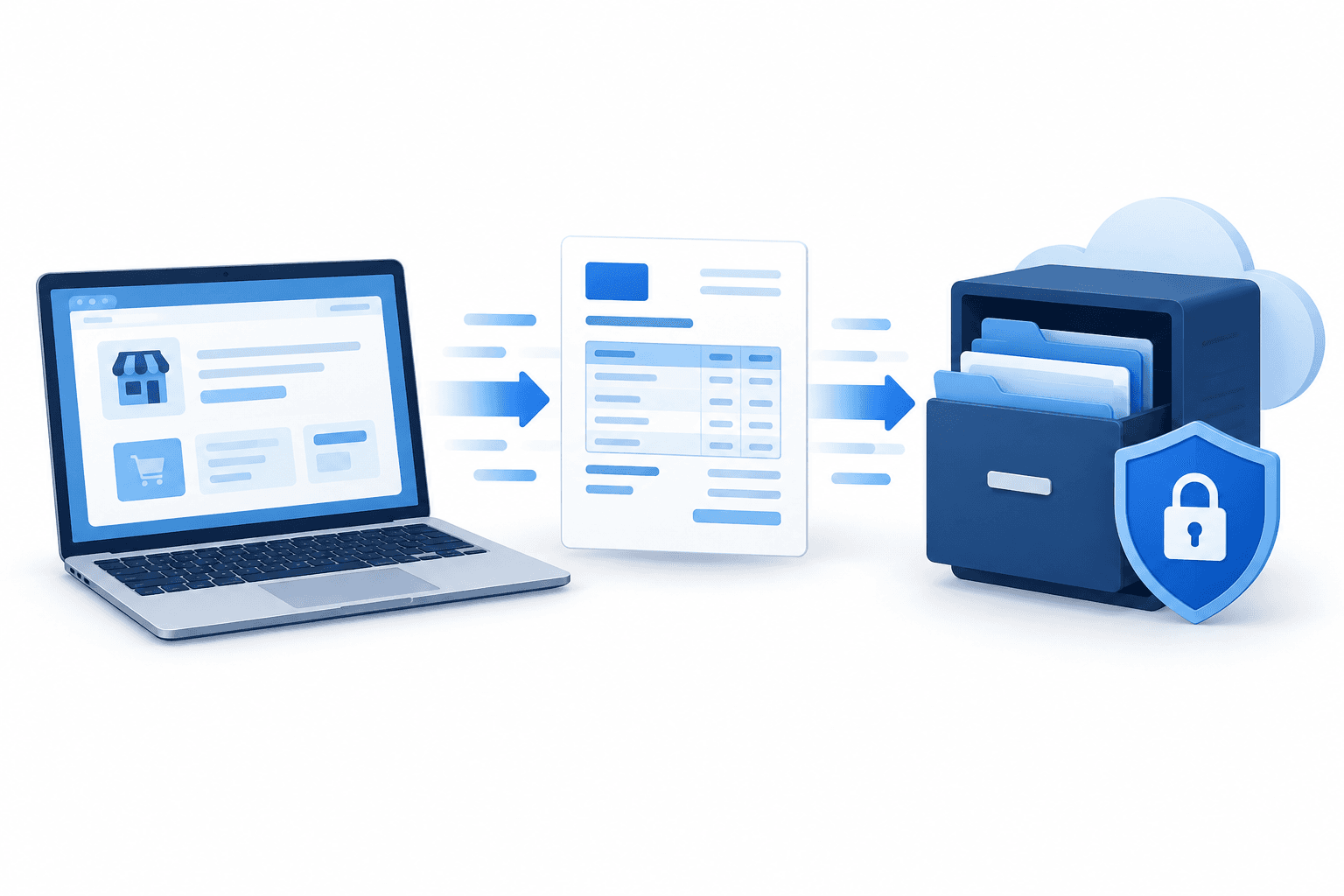
Philippine e-invoicing rules give covered businesses until December 31, 2026, to comply with electronic invoice issuance requirements. The deadline applies to specified online businesses, large taxpayer accounts and users of certain computerized billing systems, but micro taxpayers engaged in e-commerce are exempt.
Key Takeaways
- Coverage depends on taxpayer classification and, in some cases, the invoicing systems a business uses.
- A scanned invoice or a visually polished digital document does not necessarily meet the electronic invoice definition.
- The tax bureau says it does not accredit electronic invoicing system software providers.
Who the Philippine e-invoicing deadline affects
Revenue Regulations No. 26-2025 sets the year-end compliance deadline for small, medium and large taxpayers conducting e-commerce or internet transactions. It also covers Large Taxpayer Service accounts and businesses using certain computerized accounting or invoicing systems.
Business taxpayer classifications are based on annual gross sales. A business can use those thresholds to check its category, while also examining whether its existing billing setup brings it within the rule.
| Item | Details |
|---|---|
| Micro taxpayer | Annual gross sales below P3 million |
| Small taxpayer | Annual gross sales from P3 million to below P20 million |
| Medium taxpayer | Annual gross sales from P20 million to below P1 billion |
| Large taxpayer | Annual gross sales of at least P1 billion |
What counts as an electronic invoice
Under Revenue Regulations No. 11-2025, a qualifying electronic invoice must be generated by a system and contain structured data that can be extracted electronically and transmitted to the Bureau of Internal Revenue for sales reporting.
A scanned paper invoice does not qualify. An invoice printed from software may also fall short if the system cannot electronically report its data. Businesses reviewing software can check how it stores, extracts and prepares invoice information for transmission.
Certification and vendor claims
In a September 2025 advisory, the BIR said it did not accredit electronic invoicing system software providers. It said mandated or notified taxpayers apply for EIS Certification and a Permit to Transmit sales data.
Read More News
Disclaimer
This FinanceVelix article provides general information, not personalized financial, investment, legal, or tax advice. Market prices, interest rates and economic conditions can change; investments carry a risk of loss. Facts reflect the material available when published and may change. Check important information independently and consult a qualified professional when needed. Mentioning an asset, company, or service is not an endorsement.


Comments
Be respectful. No spam, impersonation or private credentials. Ordinary posts and comments appear immediately; suspicious links are held for review.
Please wait…