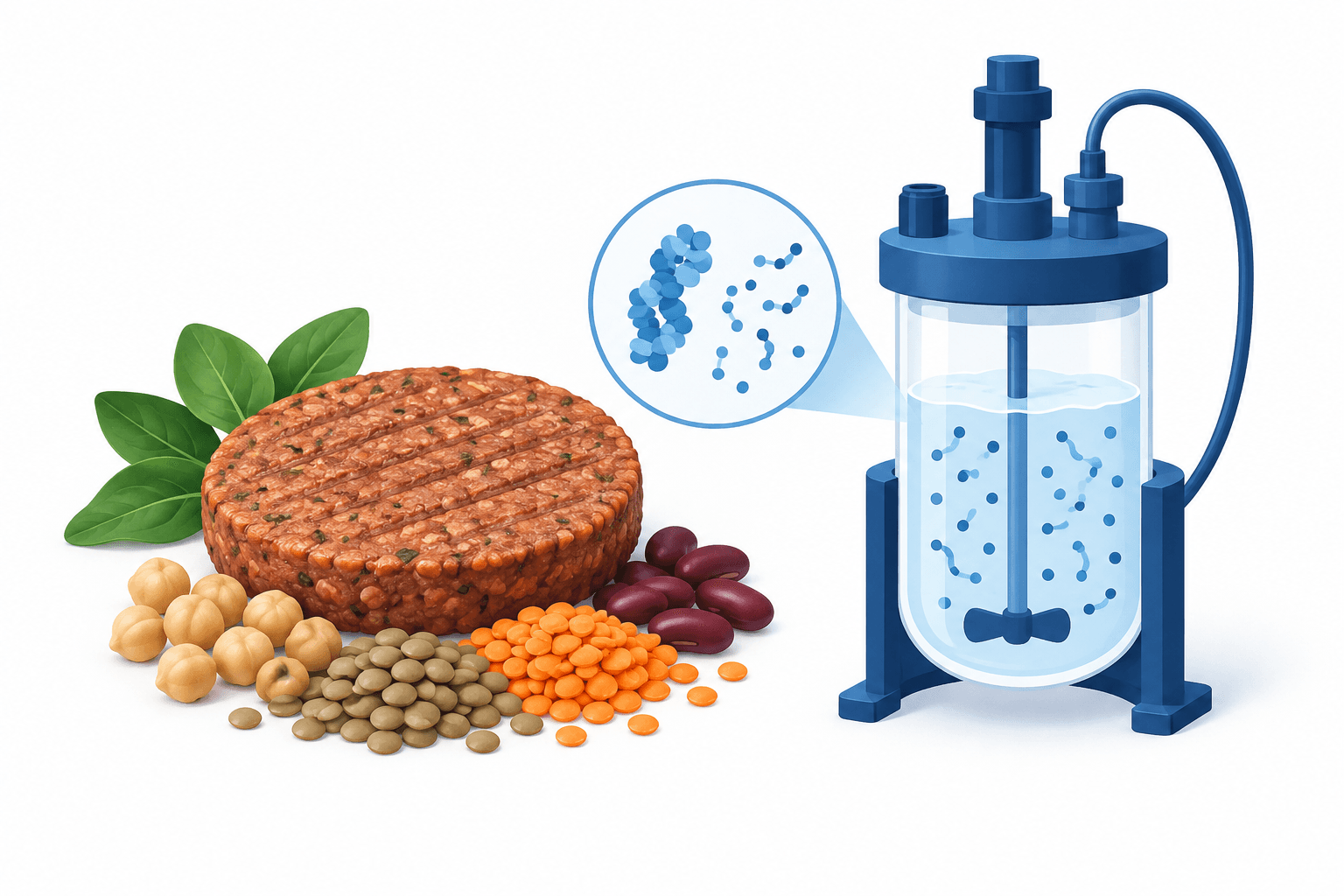
Plant-based meat products sold in India showed higher protein bioavailability than conventional chicken in laboratory digestion tests, according to a joint study by CSIR-IHBT and the Good Food Institute India.
Key Takeaways
- Researchers tested five commercial plant-based meat products against conventional counterparts.
- The findings are based on laboratory simulations of human digestion, not measurements in people.
- The study also examined how processing affected protein availability in pulses and millets.
Plant-based meat results varied by product
The researchers compared cooked plant-based seekh kebabs, patties and nuggets with conventional chicken products. Both plant-based kebabs and both patties recorded higher protein bioavailability than their chicken comparators, as did the plant-based nuggets.
The study used laboratory simulations of digestion to estimate how much protein could be available for absorption. These results should not be read as direct measurements of absorption in people.
Cooking raised or retained bioavailable protein in four of the five plant-based products, while reducing it in certain conventional options, the study found.
| Item | Details |
|---|---|
| Seekh kebabs | Plant-based: 81% and 86% protein bioavailability; conventional chicken: 39%. |
| Patties | Plant-based: 57% and 58%; conventional chicken: 21%. |
| Nuggets | Plant-based: 61%; chicken nuggets: 43%. |
Processing also affected pulses and millets
In tests of indigenous crops, pressure cooking nearly quadrupled bioavailable protein in cowpea and increased it in chickpea. Fermentation more than tripled it in mung beans, while millets responded favourably to sprouting and fermentation.
Padma Ishwarya, a study co-author and senior scientist at GFI India, said stronger evidence on protein quality could inform product development and future nutrition assessments. CSIR-IHBT Director Sudesh Kumar Yadav said India imports the majority of its plant protein concentrates and isolates, despite being a major producer of pulses and millets.
Protein quantities on food labels do not show how much of that protein will be available for use by the body. The study also considered factors including digestibility and essential amino acid composition.
Read More News
Disclaimer
This FinanceVelix article provides general information, not personalized financial, investment, legal, or tax advice. Market prices, interest rates and economic conditions can change; investments carry a risk of loss. Facts reflect the material available when published and may change. Check important information independently and consult a qualified professional when needed. Mentioning an asset, company, or service is not an endorsement.




Comments
Be respectful. No spam, impersonation or private credentials. Ordinary posts and comments appear immediately; suspicious links are held for review.
Please wait…