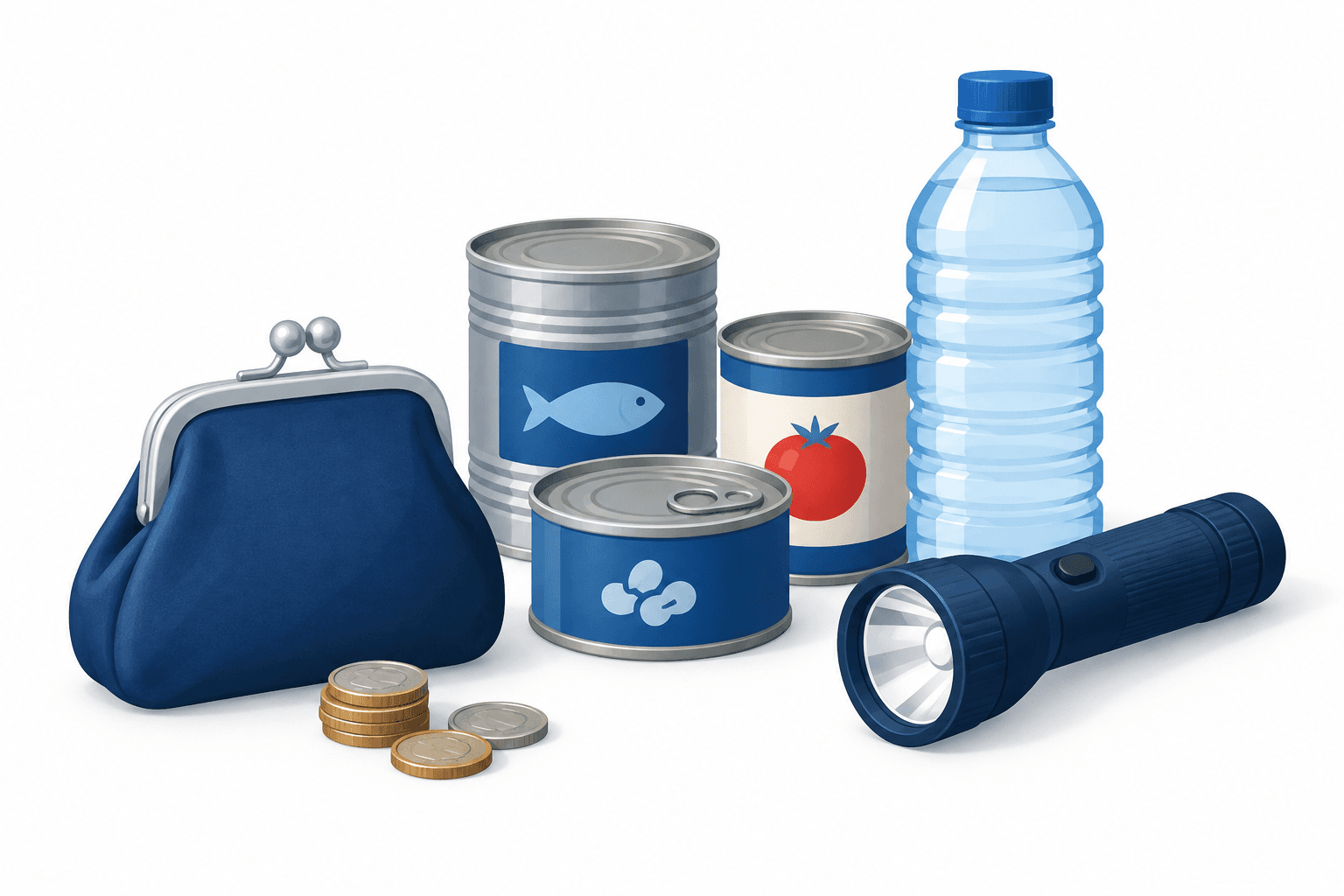
UK emergency supplies advice is drawing concern from low-income families who say buying extra food and water could compete with essential spending. The government recommends keeping three days’ worth of bottled water and tinned food, but says households can build their supplies gradually.
Key Takeaways
- One working mother said buying supplies could mean sacrificing money budgeted for holiday childcare.
- A July 2026 Joseph Rowntree Foundation tracker found 7.4 million low-income families had been unable to afford essential items in the previous six months.
- The government says people do not need to buy everything at once.
Why emergency supplies advice is difficult to follow
The government has recommended that households prepare for crises such as war, an online attack or a natural disaster. Wes Streeting said the previous week that people should have items including water, tinned goods, baby food, torches and mobile phone charging packs ready.
Samantha Richards, a 47-year-old single mother who works full-time, said buying emergency supplies would mean giving up money set aside for childcare during school holidays. She relies on Universal Credit and her son’s disability allowance to help cover bills.
Richards already has torches and blankets, but said her autistic son’s safe foods require refrigeration or freezing. She worries he would not be able to eat tinned food during an emergency and said she would prioritize water.
Household budgets are already under pressure
The Joseph Rowntree Foundation’s cost-of-living tracker, published in July 2026, found that 7.4 million low-income families in the UK had been unable to afford essential items during the previous six months. It also found that 1.5 million households had used a food bank over that period.
Yasmin Ibison, a senior policy adviser at the foundation, questioned how people struggling to pay for food, heating and toiletries could afford additional supplies. University of Glasgow professor Ruth Patrick, who leads the Changing Realities project involving low-income parents and carers, also criticized the guidance as disconnected from their daily finances.
Calls for practical planning
Ana, founder of the UK Preppers Club on Facebook, said preparedness should not be limited to people who can readily afford supplies. She wanted more practical information, including what to do if running water is unavailable.
She suggested making a family plan for a power outage or an inaccessible home, as well as adding an extra tin or pack of crackers when shopping. A government spokesperson likewise said households could build readiness step by step, buying an extra item or two when they can.
Read More News
Disclaimer
This FinanceVelix article provides general information, not personalized financial, investment, legal, or tax advice. Market prices, interest rates and economic conditions can change; investments carry a risk of loss. Facts reflect the material available when published and may change. Check important information independently and consult a qualified professional when needed. Mentioning an asset, company, or service is not an endorsement.




Comments
Be respectful. No spam, impersonation or private credentials. Ordinary posts and comments appear immediately; suspicious links are held for review.
Please wait…