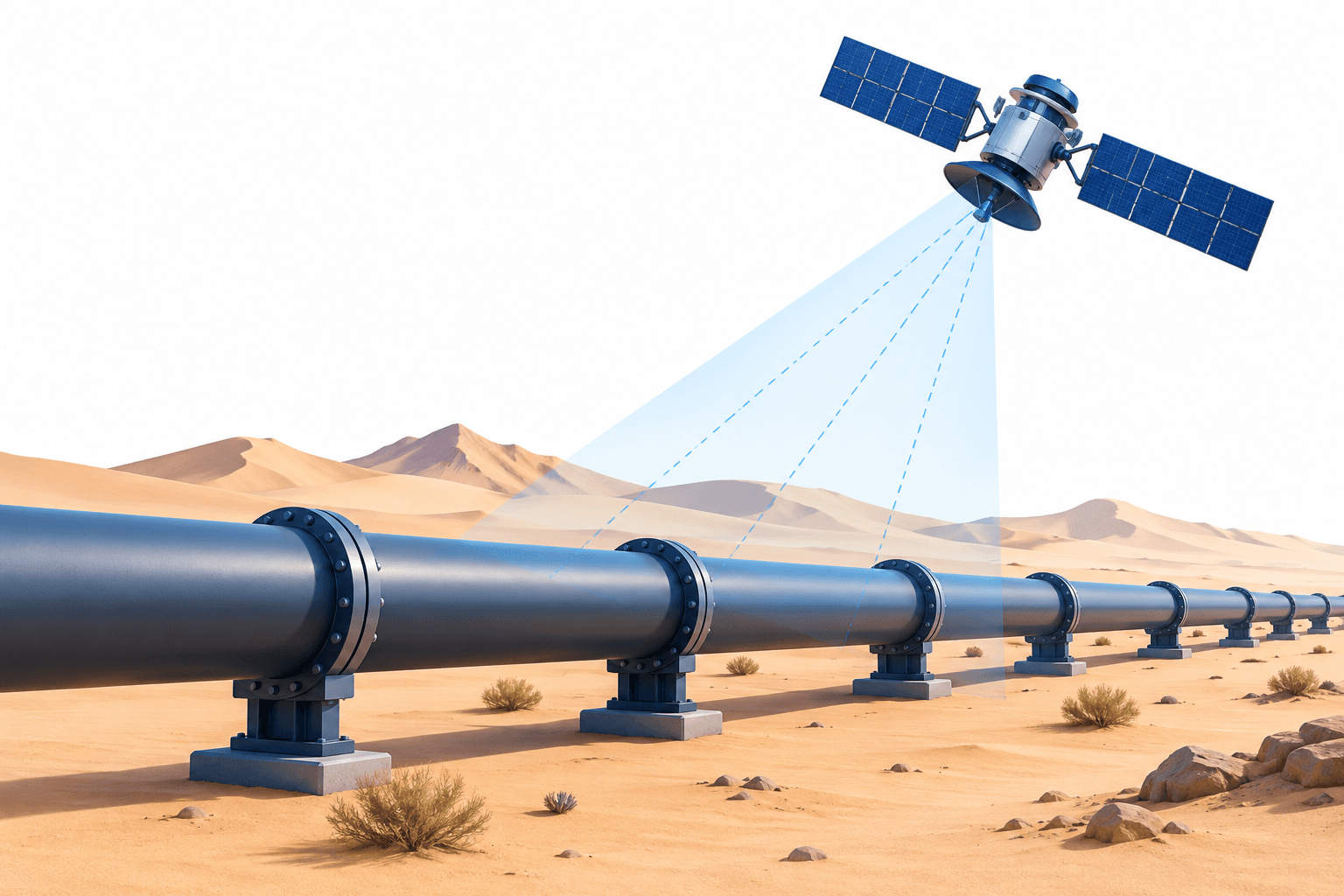
Russian reconnaissance satellites were active around Saudi oil pipeline pumping stations before and after a September 10, 2026, drone strike that interrupted crude flows, a private geospatial intelligence firm says. The firm identified a similar pattern around other attacks but said it had not intercepted any transfer of intelligence.
Key Takeaways
- Drones launched from Iraq hit three pumping stations on Saudi Arabia’s East-West Pipeline.
- AURORAH Geosignal Intelligence says it found Russian satellite activity around all 40 attacks it examined between July 1 and October 19.
- The firm’s observations do not establish that satellite intelligence was transmitted to the attackers.
Saudi oil pipeline disruption
The September 10 strikes immediately interrupted oil flows through the East-West Pipeline, a 1,200-kilometre route from eastern Saudi Arabia to the Red Sea coast. The pipeline is an important alternative for getting Saudi crude to market amid attacks on shipping in the Strait of Hormuz.
AURORAH founder Nawaf Obaid said the firm observed 11 Russian Cosmos 2600-series satellites concentrating on the three pipeline sections from July. He said flybys increased in the weeks leading up to the attack and around the time of the strikes.
What the satellite findings show
AURORAH examined 40 missile and drone attacks against Saudi Arabia by the Houthis in Yemen and Iranian-backed militias in Iraq. Obaid said the firm found Russian government and military satellites orbiting above the areas for days before and after every attack.
The firm used open-source information and other intelligence sources to track satellite trajectories and compare them with activity on the ground. Obaid said the pattern indicated intelligence was being collected and transferred for targeting, but acknowledged that the firm had not intercepted an actual transmission.
An official briefed on Saudi investigations said intelligence showed that Russian satellites had helped the Houthis and Iraqi militias strike sensitive targets, including the pipeline pumping stations. A senior Houthi leader also said Iranian advisers in Yemen had provided targeting data based on Russian satellite intelligence. Both spoke anonymously.
Air base strike and official response
A week after the pipeline attack, the Houthis struck King Fahd Air Base in Taif. An Italian Eurofighter Typhoon inside a hangar was damaged, Italy’s Defence Ministry said.
Saudi deputy foreign minister Rayed Krimly said Iran and the Houthis receive intelligence from elements in Russia and China, including commercial elements, and that Saudi Arabia discusses the matter regularly with both countries. Russian officials had no immediate comment on the allegations or AURORAH’s findings.
Read More News
Disclaimer
This FinanceVelix article provides general information, not personalized financial, investment, legal, or tax advice. Market prices, interest rates and economic conditions can change; investments carry a risk of loss. Facts reflect the material available when published and may change. Check important information independently and consult a qualified professional when needed. Mentioning an asset, company, or service is not an endorsement.




Comments
Be respectful. No spam, impersonation or private credentials. Ordinary posts and comments appear immediately; suspicious links are held for review.
Please wait…