To find your Binance wallet address for an exchange deposit, open Deposit Crypto, select the asset and then select a network supported by both the sender and your Binance deposit page. Copy the address shown for that combination, together with any required memo or tag. There is no single universal Binance address that works for every asset and network.
This guide covers receiving into a Binance exchange account. It distinguishes a deposit address from a token contract, account identifier and self-custody wallet address, then shows how to check the result. Sources were checked on October 23, 2026. Examples are explanatory; no personal deposit or recovery is claimed.
Find the address in the app or website
The official crypto-deposit guide documents both routes. In the app, use Deposit and Deposit Crypto; on the website, use Deposit and the crypto-deposit option. Choose the coin and compatible network, then copy the address or use its receive QR. Check any extra deposit instructions on that same screen.
Interface labels may change. The reliable checkpoint is the final deposit page identifying the asset, network and destination for your logged-in account. A search engine can find a guide, but it cannot supply your account's deposit address.
Keep that page open while preparing the sender's form. Compare the fields as a set rather than copying the address and returning later to guess the network. If an option is suspended or unavailable, resolve that status before choosing another route.
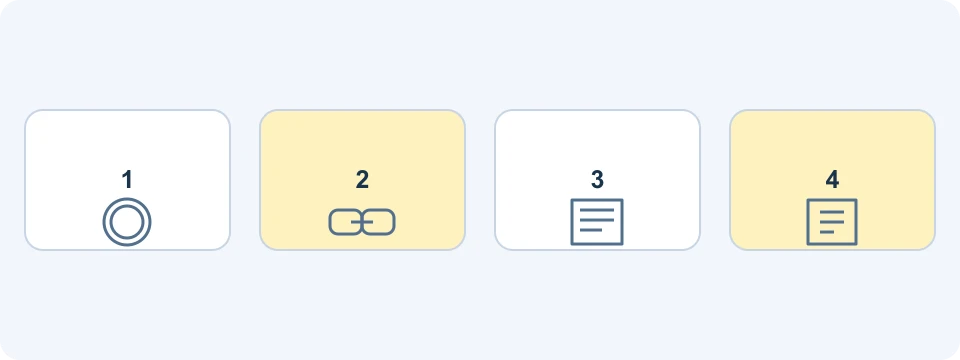
Five identifiers that answer different questions
| Identifier | What it is for | Deposit-address substitute? |
|---|---|---|
| Exchange deposit address | Receiving the specified asset through a supported route | Use the current account instructions |
| Memo or tag | Additional account-routing information where required | No; it accompanies the address |
| Token contract | Identifying a token on a particular chain | No |
| Account identifier or payment identifier | An account or a supported internal payment flow | No; do not paste it into an on-chain address field |
| Transaction ID | Locating the record of a submitted transaction | No |
The table is a practical classification for reading a transfer form. Ask what each field identifies: recipient, asset, account-routing instruction or event. Two strings can both be public while serving entirely different purposes.
For example, a token's page on an explorer may show a contract address prominently. That is evidence about the token, not an instruction to send funds there. Obtain the receiving destination from the account you intend to credit, then use token information only to verify the asset.
USDT and TRC20: the network is part of the destination
Tether's supported-protocol documentation lists USD₮ on multiple blockchains, including Ethereum and TRON, with network-specific identifiers. Its TRON token contract is not your personal Binance deposit address.
For a USDT deposit using TRON, confirm that the current Binance page offers the corresponding USDT network and that the sender can use the same route. Do not choose a network solely because its displayed charge is lower. The token ticker alone does not establish compatibility.
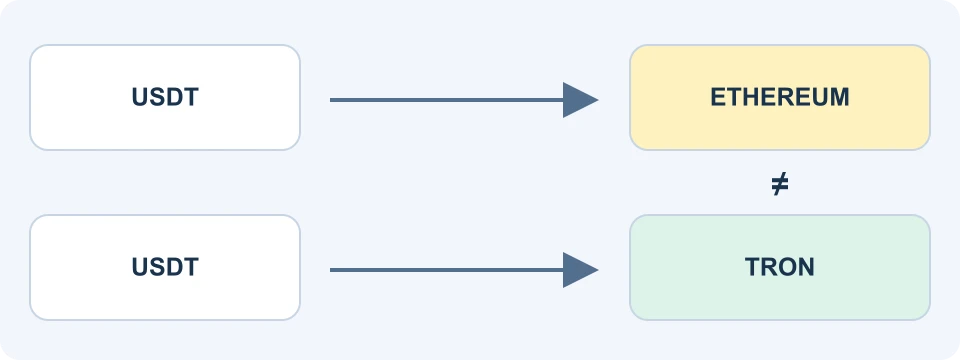
Consider two hypothetical forms. One says USDT and Ethereum; the other says USDT and TRON. Matching the asset label resolves one field, while the network remains mismatched. Changing the description you attach to a transfer does not change the blockchain on which it is submitted.
For networks with similar-looking address formats, a form accepting the characters is an even weaker check. Acceptance can establish that a string has an expected shape without establishing that the receiving service will credit the asset on that chain. The BNB Smart Chain guide separates network identity from account and token display.
When a memo or tag is required
The memo and tag recovery guide explains that some deposits need an additional identifier to credit the correct account. Follow the memo requirement shown for your selected deposit. Do not replace it with a note to the sender or assume a QR scanner filled it automatically.
If the address is correct but a required memo is missing or wrong, recovery may be available only for eligible cases. A withdrawal to another platform requires assistance from that receiving platform. Do not generalize an exchange's recovery form into a guarantee that every transfer can be repaired.
A useful final comparison has two rows: the receiving page's address and memo, then the sender's actual address and memo fields. Check the values separately. A message typed into an optional description box is not proof that the blockchain transaction includes the required routing field.
Verify the whole address before submission
Binance Academy's mobile-scam guide describes clipboard replacement and advises checking the full recipient address. Matching only its first and last characters can miss a deliberately similar address.
- Get the destination from the current official account page.
- Compare the full value after pasting or scanning it into the sender's form.
- Check the network and any required memo independently.
- Read the amount, deduction and expected receipt before confirmation.
Do not take a destination from an unsolicited tiny transfer, advertisement, support message or screenshot supplied by someone else. A test transfer, when appropriate and above all current minimums, can reduce the amount exposed to an error; it adds a charge and does not establish that later instructions are trustworthy.
For records, separate the intended amount from the amount expected to arrive. A sender may deduct its charge from the entered quantity or charge it separately. The final preview determines which interpretation applies; an old example fee does not.
A minimum-deposit example
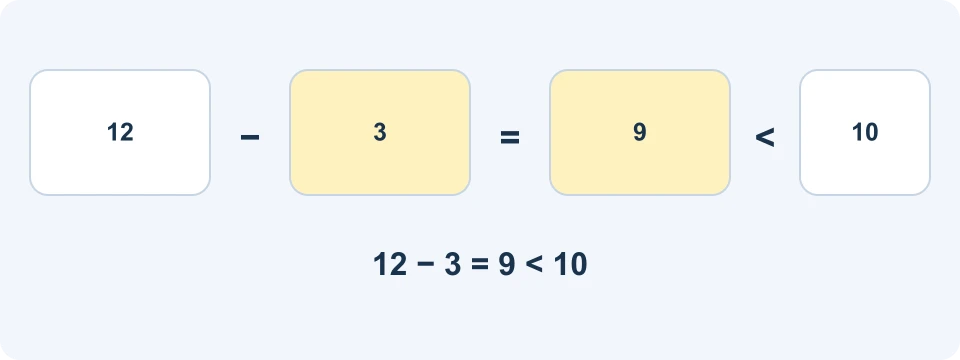
Suppose a receiving page requires at least 10 units, and a sender deducts a 3-unit charge from an entered 12 units. The expected arrival is 9 units, below that hypothetical minimum. If instead the sender charges separately, the arithmetic changes. Inspect the actual net-receipt field.
This example tests an amount condition, not address correctness. Passing it would still leave the network and recipient checks to complete. Conversely, a correct address does not resolve an insufficient net amount. Our crypto deposit guide discusses reading the current quote without treating a fixed tutorial amount as universal.
Sent, confirmed and credited are different states
The uncredited-deposit FAQ identifies several explanations: insufficient confirmations, unsupported assets or networks, missing routing information, amounts below the minimum, and maintenance. Required confirmations vary; use the requirement displayed for the selected deposit.
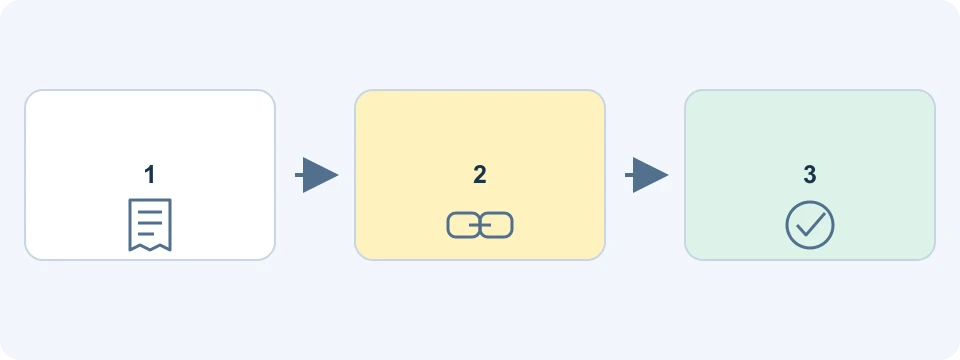
Build a short evidence record containing the asset, network, full destination, required memo, transaction ID, amount and timestamp. Then compare it with the exchange's deposit history. This is more useful than sending another transfer to see whether the balance updates.
| Observation | Next evidence |
|---|---|
| No transaction ID yet | The sender's processing or withdrawal status |
| Transaction exists but is not sufficiently confirmed | The correct network's transaction record and current requirement |
| Confirmed but not credited | Deposit route, memo, amount, maintenance and exchange history |
| Credit appears in a different account view | The destination wallet selection and account records |
Keep the original records before contacting official support. Share only what the verified support process needs; public transaction data can still reveal balances or activity. No support agent needs a self-custody wallet's recovery phrase to read an exchange deposit record.
Can a Binance deposit address change?
Yes. Binance's address-retirement notice describes replacement of addresses and memos during infrastructure changes. Deposits to affected expired addresses may require a manual-credit or support process rather than automatic credit. Check current account instructions before reusing an address saved months ago.
The BTC address glossary discusses address formats and on-chain reuse. That is a different question from whether an exchange still automatically credits an older deposit route. Blockchain validity and a service's crediting policy are separate checks.
When a change notice arrives, open the official app or site independently and inspect the account. Do not let the email's urgency replace verification of the current destination. Update your saved recipient record only after checking the replacement instructions.
Frequently asked questions
Can I share my wallet address?
Share the receiving details needed by the intended sender, while considering the transaction privacy involved. Do not share passwords, recovery material or account screenshots containing unrelated information.
Is one Binance address enough for every coin?
No universal address should be assumed. Retrieve the instructions for the exact asset and network each time a route changes.
Is this my Binance Web3 Wallet address?
This guide concerns exchange deposits. A self-custody wallet is a separate destination; use the selected wallet's receive screen when that is where funds should arrive.
Does a referral code change the deposit address or gas fee?
No such benefit should be inferred from an exchange referral offer. Review the VELIX conditions for eligible account and product benefits. Receiving instructions and blockchain charges have their own rules.
Affiliate disclosure: FinanceVelix may earn a commission through its Binance referral link. Account, product and regional conditions apply. This guide does not guarantee recovery of an incorrect deposit.
Official educational references
- official crypto-deposit guide ↗Source accessed: 2026-10-23
- Tether's supported-protocol documentation ↗Source accessed: 2026-10-23
- memo and tag recovery guide ↗Source accessed: 2026-10-23
- mobile-scam guide ↗Source accessed: 2026-10-23
- uncredited-deposit FAQ ↗Source accessed: 2026-10-23
- address-retirement notice ↗Source accessed: 2026-10-23
- BTC address glossary ↗Source accessed: 2026-10-23