BNB is the native asset used for transaction fees and staking in the BNB Chain ecosystem. It began as Binance Coin in 2017, but describing it only as an exchange discount token misses its blockchain role. BNB, BNB Smart Chain and a Binance exchange account are related concepts, not interchangeable products.
This guide explains those distinctions using official documentation checked on October 24, 2026. It covers practical uses, supply reduction, custody and the checks that matter before moving or using BNB. The numerical examples are illustrative; this is not a price forecast or a claim of personal investment performance.
BNB, BNB Chain and Binance: which is which?
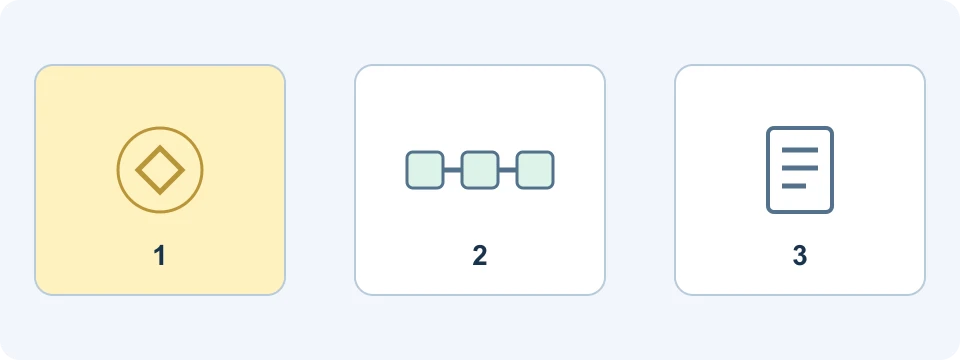
| Name | Meaning | Practical consequence |
|---|---|---|
| BNB | An asset with blockchain and exchange-related uses | Its price and available balance can change. |
| BNB Smart Chain, or BSC | A blockchain that runs compatible smart contracts | A transfer must use the intended network. |
| BNB Chain | The wider ecosystem that includes BSC and other infrastructure | A broad ecosystem name alone is insufficient for a deposit instruction. |
| Binance exchange account | A custodial service account | Account access, supported services and withdrawal rules apply separately. |
Binance Academy's BNB introduction describes its origins as an Ethereum token and its subsequent role across the BNB ecosystem, including BSC, opBNB and Greenfield. This history explains why old pages use different names and token standards. It does not make every old deposit instruction usable today.
For example, holding BNB in an exchange account does not automatically put BNB in a self-custody wallet. A wallet displaying a token with “BNB” in its name also does not establish which chain holds it. The asset name answers what you intend to hold; the account or wallet and network identify where you hold it.
What is BNB used for?
Paying blockchain transaction fees
The BSC technical introduction identifies BNB as the native asset for smart-contract execution fees and staking. A transaction on BSC uses network resources even when the asset being transferred is another token. A balance of that other token therefore does not, by itself, establish that the transaction can pay for its execution.
Before moving your entire BNB balance, inspect the wallet's estimated network cost and what will remain. A wallet containing valuable tokens can still be unable to submit an ordinary transaction if its available native balance cannot cover the required cost. Check the actual transaction flow rather than assuming a displayed portfolio valuation is spendable gas.
Paying eligible Binance trading fees
The official BNB fee-payment guide describes discounts of up to 25% on Spot and Margin trading fees and up to 10% on Futures trading fees, subject to the relevant conditions. Its Spot instructions require sufficient BNB in the Spot account and the BNB deduction setting to be enabled. Owning BNB elsewhere is not enough.
A setting is only one part of the check. Confirm the applicable product, account fee level, available balance and actual charge in trade history. A pre-trade estimate is not the final execution record. For a focused explanation of the calculation, use our Binance trading-fee guide.
Supporting validators through staking
BNB can be delegated in the network's staking system. The official staking interface displays validator, commission and yield information. These fields are variables to compare, not a fixed interest promise. Staking also changes how readily the committed assets can be used elsewhere.
The technical documentation describes validator selection, fee-derived rewards, penalties and an unbonding period. Read the current staking rules before committing assets. A headline yield alone does not explain validator performance, commission, withdrawal timing or the possibility that a rising token balance has a falling market value.
Other ecosystem and exchange programmes
Applications may use BNB for their own transactions or participation requirements. Exchange campaigns can also use BNB balances under specific eligibility rules. Do not assume that simply holding BNB automatically enrols every account in every campaign or guarantees an airdrop. Inspect the particular programme, eligible balance source and participation dates.
Keep exchange fees and network gas separate
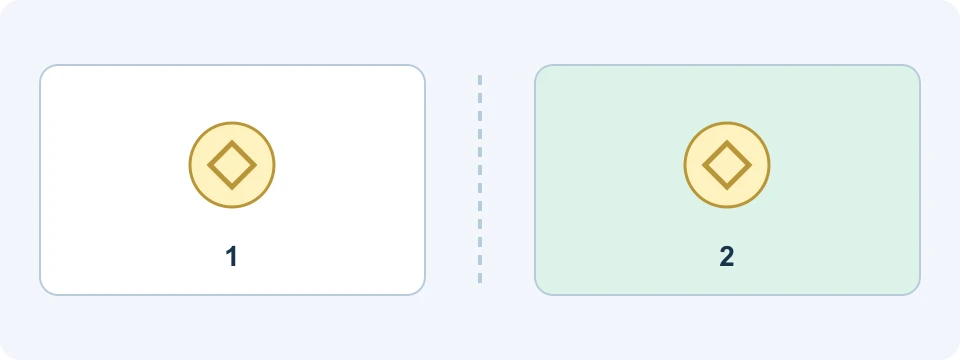
Suppose a person has BNB available in a self-custody wallet but none in the exchange balance used for fee deduction. Turning on an exchange setting does not give the exchange permission or technical access to that separate wallet balance. Conversely, BNB in the exchange account does not automatically fund a transaction signed from an external wallet.
Before transferring anything to resolve the problem, identify the missing requirement. It could be a balance, a setting, the wrong network or a restricted product. Buying additional BNB will not fix a network mismatch, and moving funds may introduce costs that exceed the particular fee saving being considered.
What does a BNB burn do?
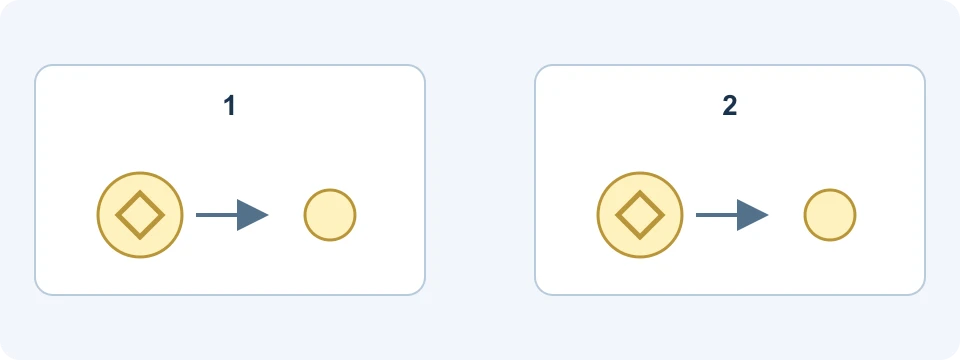
The official BNB overview describes Auto-Burn with a target supply of 100 million BNB and a separate mechanism that burns a portion of network gas fees. The Auto-Burn calculation uses inputs including price and block production; the real-time mechanism relates to network fee activity.
A burn removes assets from usable supply under its mechanism. It is not a payment of cash to every holder and does not guarantee that the remaining units rise in price. Demand, market liquidity and broader risks still affect what a buyer is willing to pay.
Distinguish original supply, current total supply, circulating supply and the long-term burn target when comparing statistics. They answer different questions. A dashboard placeholder, an undated chart or a past quarterly report should not be presented as today's circulating amount. For a current figure, check the publication time and the definition used by its source.
Why old Beacon Chain and BEP2 instructions need care
The official BNB Chain Fusion timeline records the final Beacon Chain sunset fork on November 19, 2024, followed by post-fusion steps. It describes migrating Beacon functions to BSC and provides a recovery route for supported bound assets.
That is materially different from an older tutorial describing routine transfers between two active chains. If an old wallet still shows a legacy asset, start with the official recovery documentation and establish whether that asset qualifies. Do not send a new transfer to an obsolete destination simply because an old article says that BNB “uses BEP2.”
For a normal current transfer, compare the sending network with the destination's supported deposit network. An address that looks valid does not establish compatibility. Our crypto withdrawal guide explains the address, network and destination checks.
Separate token quantity from investment outcome
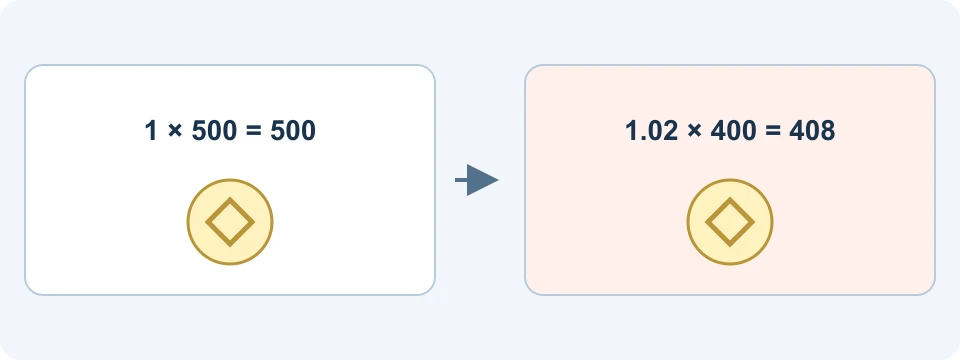
In that example, 1 × 500 = 500, while 1.02 × 400 = 408. The quantity rose, but the marked value fell by 92 before costs. These invented prices and balances are arithmetic inputs, not forecasts or advertised staking returns.
The same distinction applies to a trading-fee saving. Avoid treating a small reduction in one transaction cost as proof that a larger BNB holding cannot lose value. A useful comparison separates the expected fee saving, the amount of BNB held for that purpose, acquisition or transfer costs and exposure to price changes.
| Risk or constraint | Question to resolve |
|---|---|
| Price movement | Could the asset's value fall even if its utility or token quantity increases? |
| Custody | Who controls the keys or account access, and what recovery route exists? |
| Network selection | Does the receiving service support the exact network and asset? |
| Smart contracts | What permissions or risks does the intended application introduce? |
| Staking availability | What are the current unbonding, commission and validator conditions? |
Common questions about BNB
Is BNB a stablecoin?
No. Do not treat its market value as fixed to a currency. The fee and staking examples above depend on prices that can change.
Do I need a Binance account to use BNB on-chain?
A blockchain wallet and an exchange account are different forms of access. A compatible self-custody wallet can interact with the network without being the same thing as a Binance exchange account. That also means protecting the wallet's keys and checking the application you use remain separate responsibilities.
Is the BNB discount the same as a referral discount?
No. BNB fee payment and referral benefits are distinct mechanisms. Check your actual applicable fee and the offer's conditions; do not add headline percentages together without verifying how the product applies them.
Affiliate disclosure
FinanceVelix may earn a commission if you register through its Binance referral link. Registration is optional and does not guarantee a return from holding BNB. Availability and benefits depend on the account, location and current terms.
Official educational references
- benchmark-what-is-bnb-academy ↗Source accessed: 2026-10-24
- source-bnb-chain-official ↗Source accessed: 2026-10-24
- source-bnb-fusion ↗Source accessed: 2026-10-24
- source-bnb-staking-dashboard ↗Source accessed: 2026-10-24
- source-bnb-technical ↗Source accessed: 2026-10-24
- source-bnb-fee-deduction ↗Source accessed: 2026-10-24