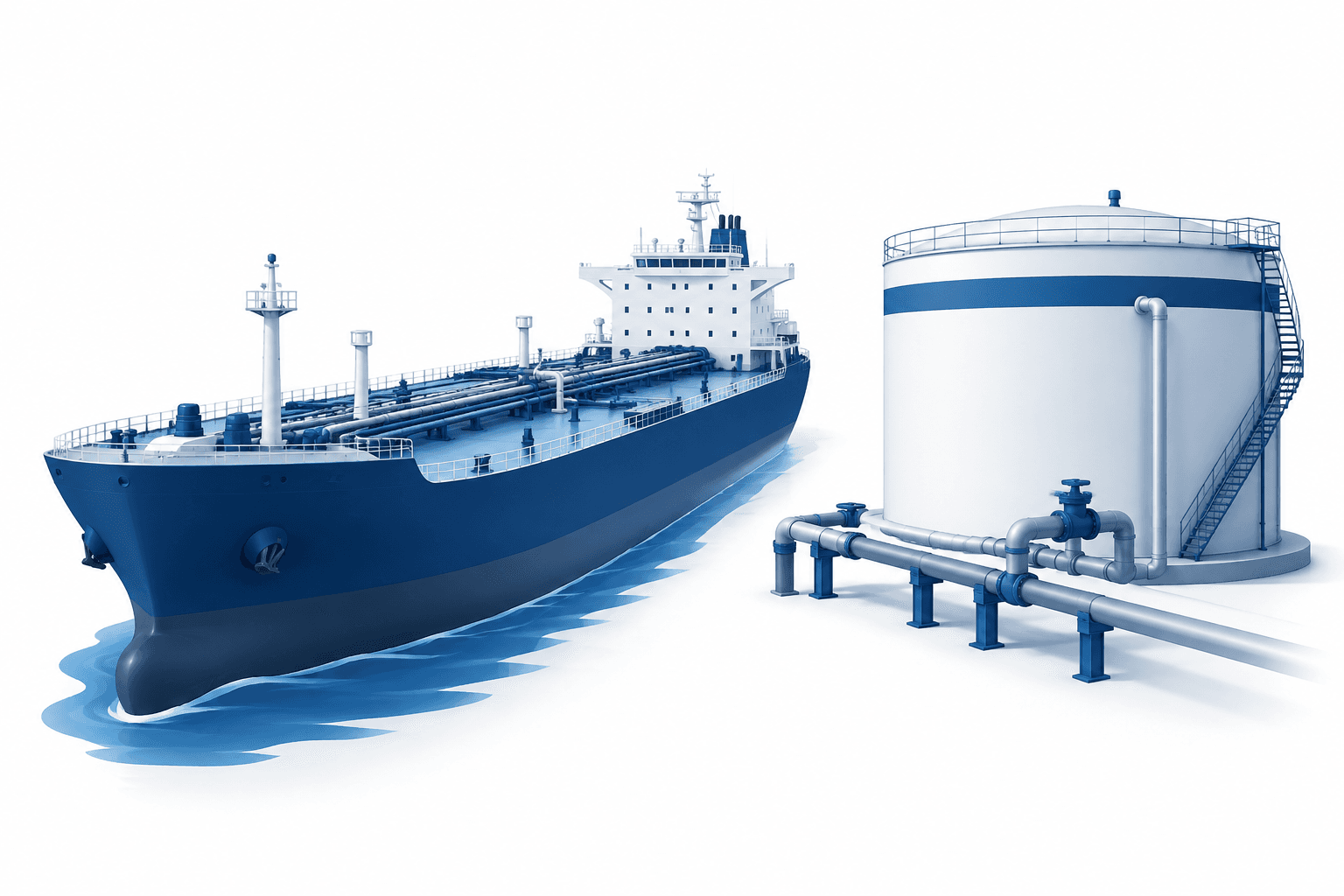
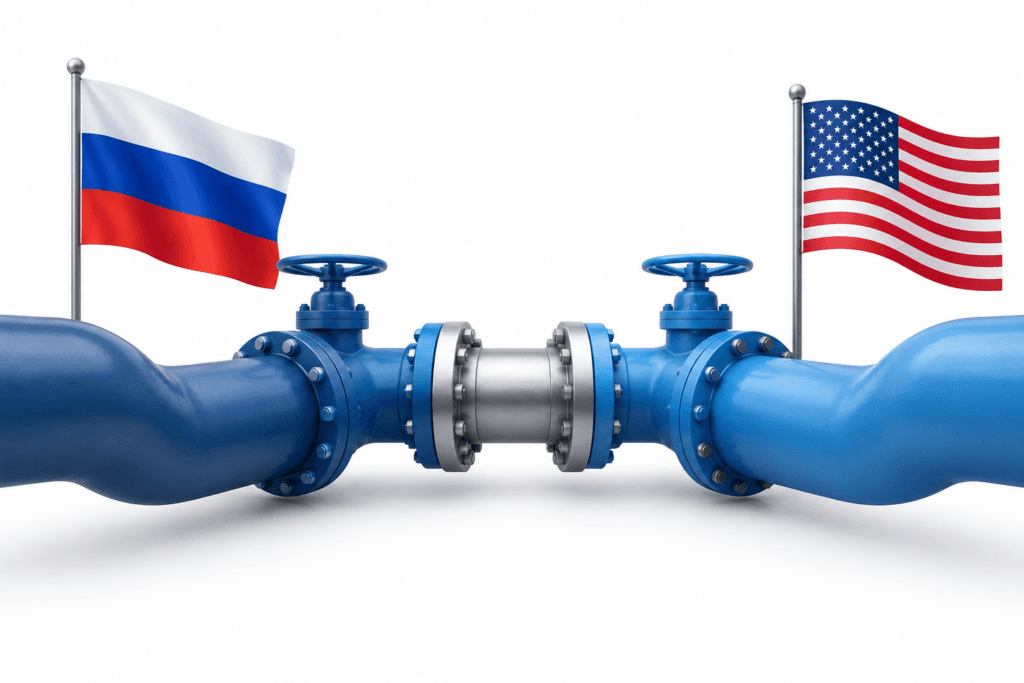
Russian diesel exports could expand under a US sanctions waiver depending on Moscow’s behavior, Energy Secretary Chris Wright said on October 27, 2026. He described the suspension of sanctions earlier in the month as an incentive for Russia to end its war in Ukraine.
Key Takeaways
- The US-Russia deal covers 800,000 metric tons of diesel in October and November, followed by another 1 million tons.
- Wright said more tankers could depart under the waiver, but did not confirm additional shipments.
- Analysts expect the agreed volumes to have little effect on prices relative to global diesel demand.
How the Russian diesel waiver works
The Trump administration suspended US sanctions against Russian diesel exports earlier in October. Wright said allowing more fuel onto the global market would depend on Moscow’s behavior. He did not specify an exact effective date for the suspension.
Separately, Russia has partially lifted a diesel export ban imposed in July to fulfill the agreement between President Donald Trump and Russian President Vladimir Putin. That change allows the agreed shipments to leave Russia; any further shipments under the US waiver remain a possibility rather than a confirmed plan.
Shipments and the price outlook
The agreement provides for 800,000 metric tons of Russian diesel in October and November, followed by another 1 million tons. The first shipment of 300,000 metric tons would be equivalent to about 75,000 barrels a day if distributed over a month. The second tranche of 500,000 metric tons would equal about 124,000 barrels a day.
Analysts say those volumes are small compared with global demand of around 28 million barrels per day and are unlikely to materially lower prices. Wright said the waiver would help fuel supplies on the margin.
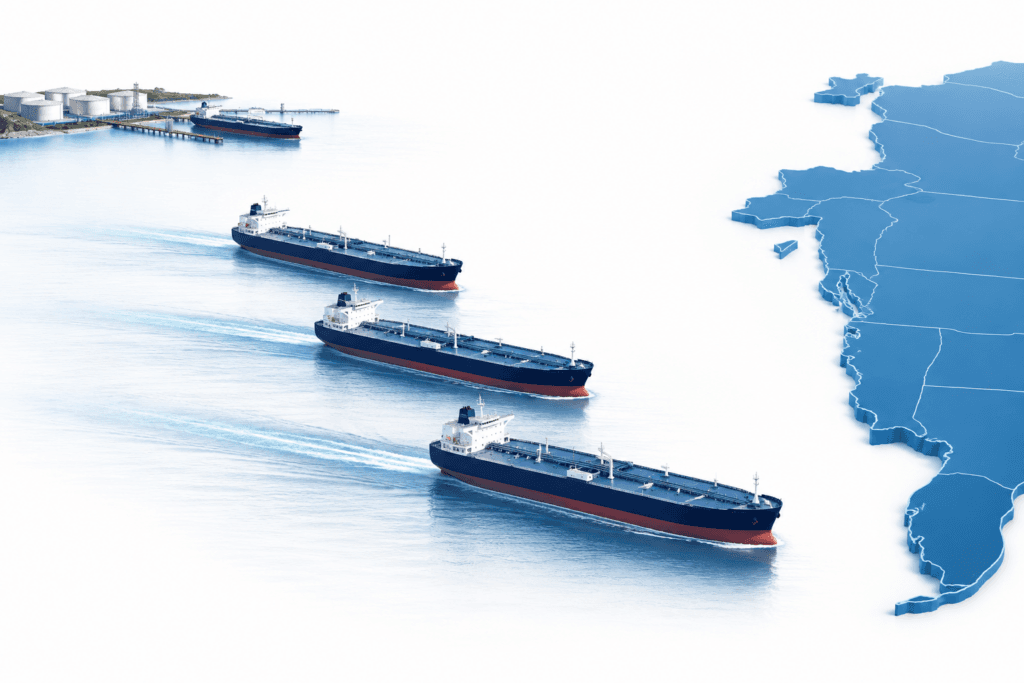
The Leruo has departed Russia for the Atlantic Coast without explicitly declaring a US destination. The Russian-flagged Talisman is expected to arrive on the US East Coast on November 9, ship-tracking platform MarineTraffic indicated.
Ukraine and senators criticize the deal
Ukrainian President Volodymyr Zelenskyy has sharply criticized the agreement. Kyiv has struck Russian refineries this year in an effort to reduce energy-export revenue and limit Moscow’s ability to wage war.
Several Republican senators also joined Democratic colleagues in a letter opposing the deal. Trump faces political pressure to reduce diesel prices ahead of the US midterm elections on November 3.
Read More News
Disclaimer
This FinanceVelix article provides general information, not personalized financial, investment, legal, or tax advice. Market prices, interest rates and economic conditions can change; investments carry a risk of loss. Facts reflect the material available when published and may change. Check important information independently and consult a qualified professional when needed. Mentioning an asset, company, or service is not an endorsement.
Comments
Be respectful. No spam, impersonation or private credentials. Ordinary posts and comments appear immediately; suspicious links are held for review.
Please wait…